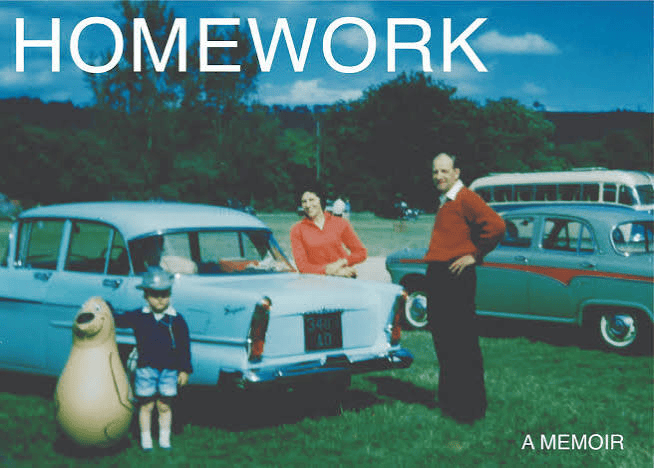
Geoff Dyer is a year older than me. He was born and raised in Cheltenham, less than a hundred miles from London where I grew up. His delightful memoir of childhood, Homework, describes a world that in many respects has vanished, though not from the memories of those who were children in England in the 1960s and 1970s. The pleasures evoked by the book for Dyer’s contemporaries, like me, are a lot to do with recognition and memory. Airfix models, Action Man, the arrival of the first color televisions, playing football in the school playground, discovering one’s tastes in music and books, horrible food: these things were important parts of our lives in much the same way that memoirs in forty years will feature social media, mobile phones, and the launch of Netflix.
Dyer is very good at poking fun at his parents, his wider family, his friends, and himself, but it’s all done in such an affectionate, tolerant and forgiving way. In fact, it’s the tone of Homework that lingers long after the final page is turned, not just the stories and the personal memories that surface because of them. He recalls his childhood with just the right balance of affection, nostalgia, and embarrassment. He’s never cruel or sentimental and knows how fortunate he is to have loving (though never demonstrative and occasionally infuriating) parents and to have been raised in a safe and comfortable place. Homework is also very funny, at least to those of us who grew up at the same time.