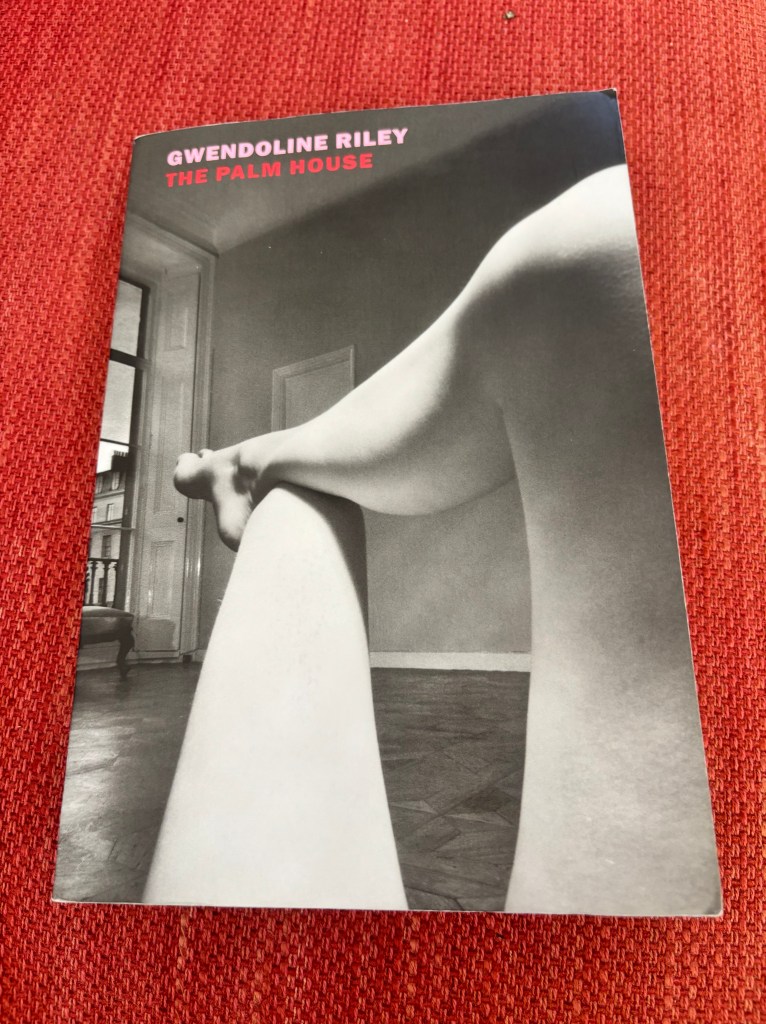
What did I miss? The author is highly regarded. The reviews were very positive, sometimes effusive. Even Sarah Jessica Parker praised it! So why, turning the final page, did I wonder what all the fuss was about? Thinking back on The Palm House by Gwendoline Riley, I could find nothing especially noteworthy or engaging about it. And I’m the sort of reader who likes and tends to gravitate towards quiet, mannered, minimalist novels, the sorts of novels by the likes of Tessa Hadley that never normally fail to delight and impress me. And while I’m feeling puzzled, can someone please explain the relevance of the cover image and the title?
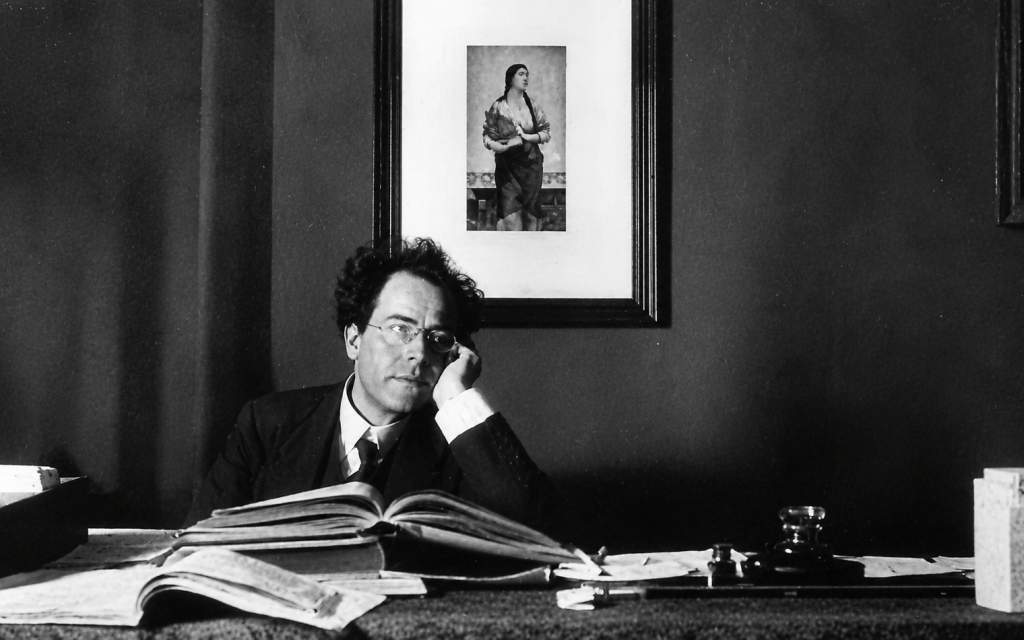
Gustav Mahler was only fifty years old when he died in 1911. His may have been a relatively short life but it was one filled with extraordinary creativity and accomplishments and no small measure of personal tragedy, ill health, and sadness. Robert Seethaler’s short novel, The Last Movement, sees the great composer in the last phase of his life and making his final voyage from New York to Vienna. The plot, such as it is, finds Mahler on the deck of the ocean liner, reflecting on his life, accompanied only by a cabin boy. His memories are mostly sad ones. The tragic loss of one of his children, the stormy marriage to his beloved Alma, and the frustrations of his professional life all feature prominently as he looks back and tries to make sense of his existence. What discovery persists? The deep and inescapable solitariness of of every human life, the fundamental aloneness that cannot be avoided regardless of the successes and companions accumulated along the way.
The Last Movement is another delightful, thoughtful miniature from Seethaler, but for me it never reached the heights of beauty he achieved with A Whole Life. Worth reading? Certainly.
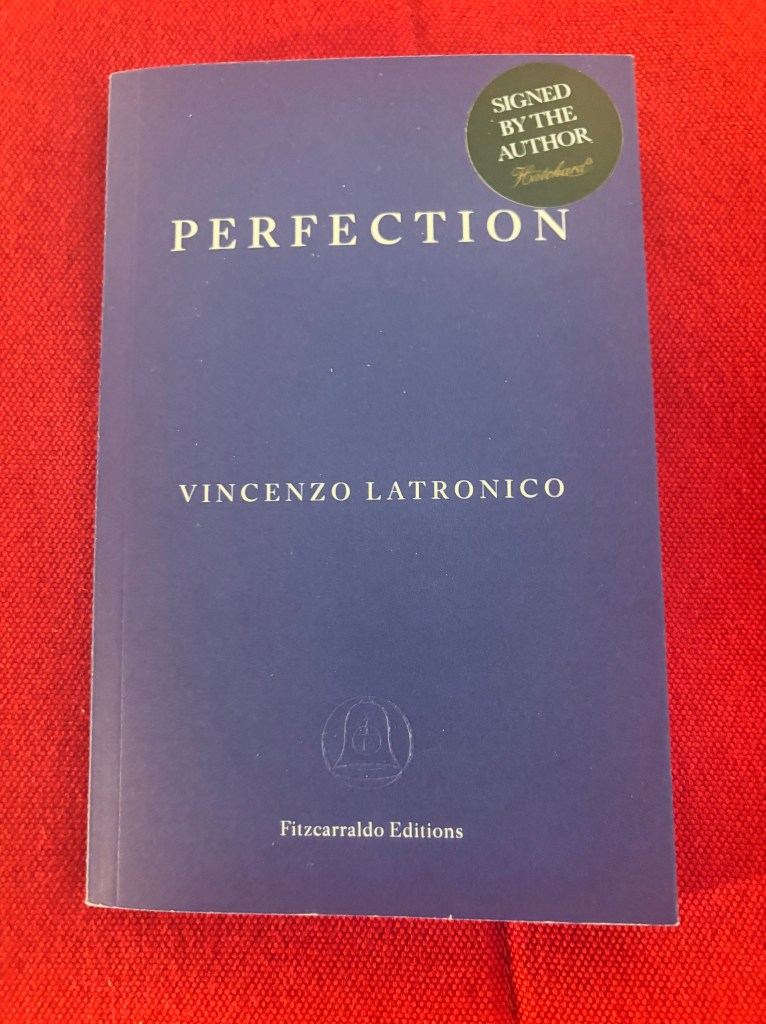
Vincenzo Latronico’s short novel, Perfection, is an unsettling social satire. It follows the lives of Anna and Tom, two young “digital creatives” who move to Berlin in the 2010s from an unnamed country in southern Europe. Well-paid freelance work is plentiful and Berlin is still affordable, so Anna and Tom live an enviable life comprising hard work, easy friendships, and a vibrant social scene. It’s a time of abundance and apparently endless possibility. But as the years pass, things change. Berlin starts to be very expensive and their fellow “digital nomads” wander home or elsewhere. Work gets a little harder to find and clients look for a younger and cheaper workforce. The perfect life, the lovely home filled with just the right possessions, the social routine of nightclubs, restaurants, and gallery openings – it all seems to be slipping away and unsatisfying. Disillusionment creeps in.
How could they ever have chosen to spend their days like that, hunched over a computer screen in their living room? They will be tempted to search elsewhere for what they found all those years ago in Berlin. But it will prove impossible because that abundance was the result of a specific overlap between the city’s history and theirs.
What Anna and Tom discover may not be revelatory to everyone. A life filled with little more than work becomes stale and purposeless, especially when that work produces little of substance and lasting value. Life lived in the bubbles and echo chambers of social media ends up being hollow and unmoored. No amount of fashionable furniture and artisanal coffee can compensate. Obvious? Perhaps, but not to those searching for the illusion of a perfect life in places it will never be found.
Perfection isn’t a perfect novel. Anna and Tom are indistinguishable from one another and sometimes seem little more than empty cyphers. Everything here is a little heavy-handed and didactic. Nevertheless, the novel captures very well a spirit, a moment in time, and a way of living that we may all look back on with astonishment and disbelief.