More Tokyo Musings

The immigration authorities in Japan put a sticker in visitors’ passports when they arrive in the country. Counting the stickers recently, I realized this was my twenty-sixth visit to Tokyo since 2012. Every time I am here, I add to my store of experiences and memories. Tokyo isn’t about “must see” attractions. It’s about the gracious, kind, and welcoming people. It’s about the sheer quirkiness and charm of a society that continues to go its own way and follow its own path. It’s a place that at first seems to be all about conformity but is really quietly subversive and does conformity on its own distinctively Japanese terms.

What did I add to my store of memories this time? A charming basement bar in Daikanyama (Flying Bumblebee), an outstanding teppanyaki meal with friends in Ebisu (Teppan Eden), and buying jazz albums in Tsutaya. Plus a lovely coincidence. The taxi driver who took me to Haneda was the same one I met several years ago. A dapper man in his late seventies (charcoal suit, striped shirt, silk tie, and cool, retro glasses) who only plays Bebop in his cab and who likes to talk (in pretty good English) about Japanese novels. We picked up the conversation where we left off last time. Needless to say, he insisted on putting my luggage in the trunk, and did it with the energy and nimbleness of someone forty years younger.

No city can compete with London for my affections, but Tokyo gets very close.

A Long Winter

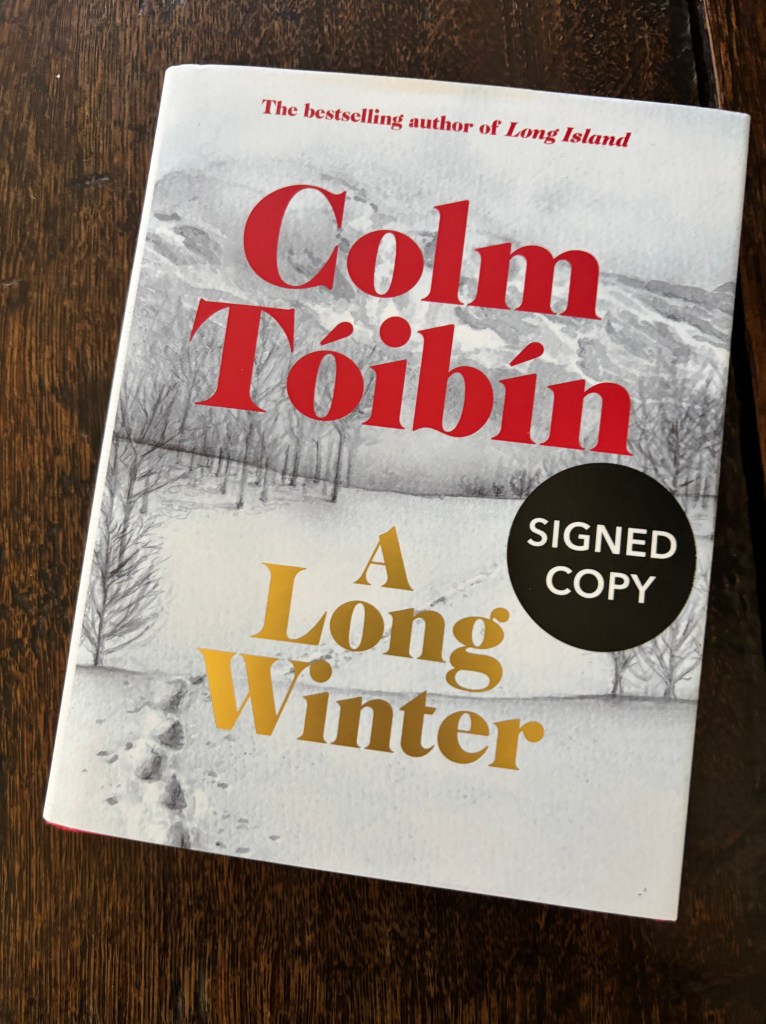
Colm Toibin’s novella, A Long Winter, was first published in 2005 by a small press, then included in a collection, and has now been re-published in hardcover by Picador. Such maneuvers usually make me skeptical. A large publisher, waiting for new work from their famous author, fills the gap by putting out overpriced hardcovers of early or minor work. It is hardly a new ploy, but I need not have worried in this instance. Diehard fans of Toibin’s work, like me, will enjoy A Long Winter, though it never quite reaches the heights of his later novels.

The story is set in a small, isolated village high in the Spanish Pyrenees. This is a place of smallholdings and land owned and worked for generations by poor farmers. A place where everyone knows everyone else’s business and where both friendships and enmities run deep. Miquel lives here with his mother and father. His much loved brother, Jordi, has just left for military service. On a cold, snowy day, Miquel’s mother, after a bitter confrontation with her husband and son, leaves the small farmhouse and never returns.

A Long Winter is a poignant story about loss, loneliness, and love. What is best? To have known love and to endure the pain of losing someone, or to be alone and never experience such loss? Toibin is a brilliantly subtle observer of human behavior and conveys so much feeling with so few words. If he occasionally falls into the trap, as he does here, of trying to do a little too much, it hardly matters because the results are still so powerful and affecting.

Suspicion

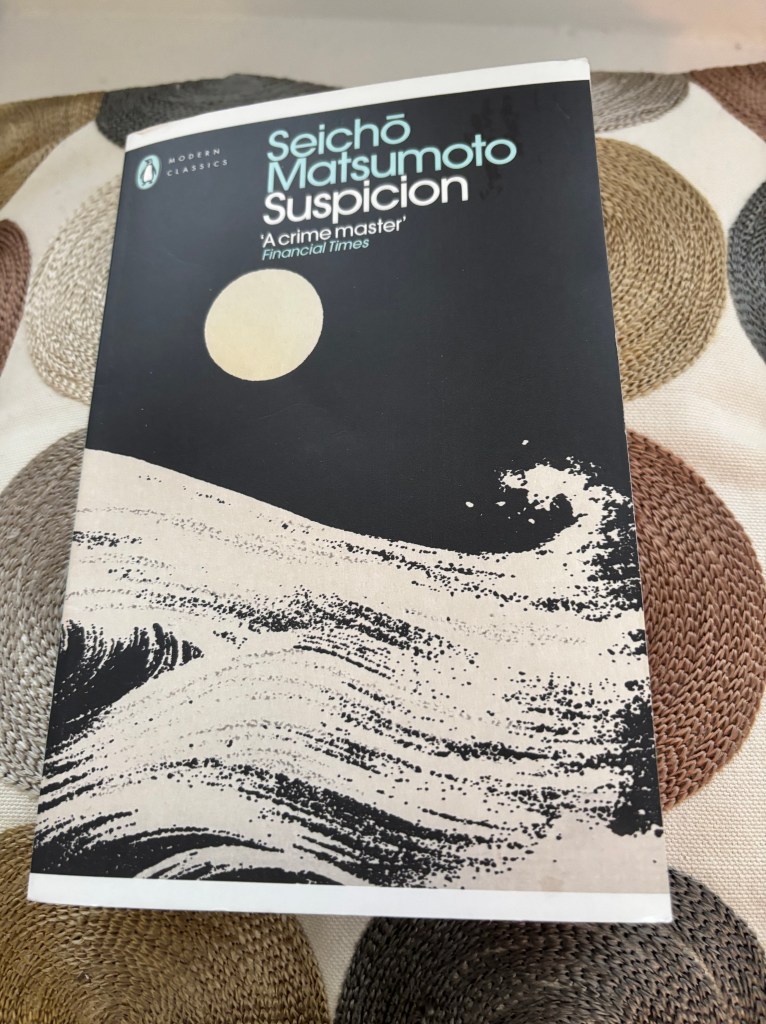
Seicho Matsumoto (1909-1992) was one of Japan’s leading and most popular mystery writers. I first read one of his novels (Tokyo Express) about three years ago and remember enjoying it very much, so when I found myself recently at an airport with nothing to read and spotted Suspicion on the shelves I was eager to see what it would be like. It’s an easy read with a straightforward, simple plot focused on a woman facing trial for the murder of her wealthy husband. The reasons for suspecting her are circumstantial and, it should be said, rooted in prejudices about her background and gender. It takes one independent minded and tenacious lawyer to pick apart the case against her and try to save her from conviction and execution. First published more than forty years ago, Suspicion still resonates for modern readers.

Every One Still Here

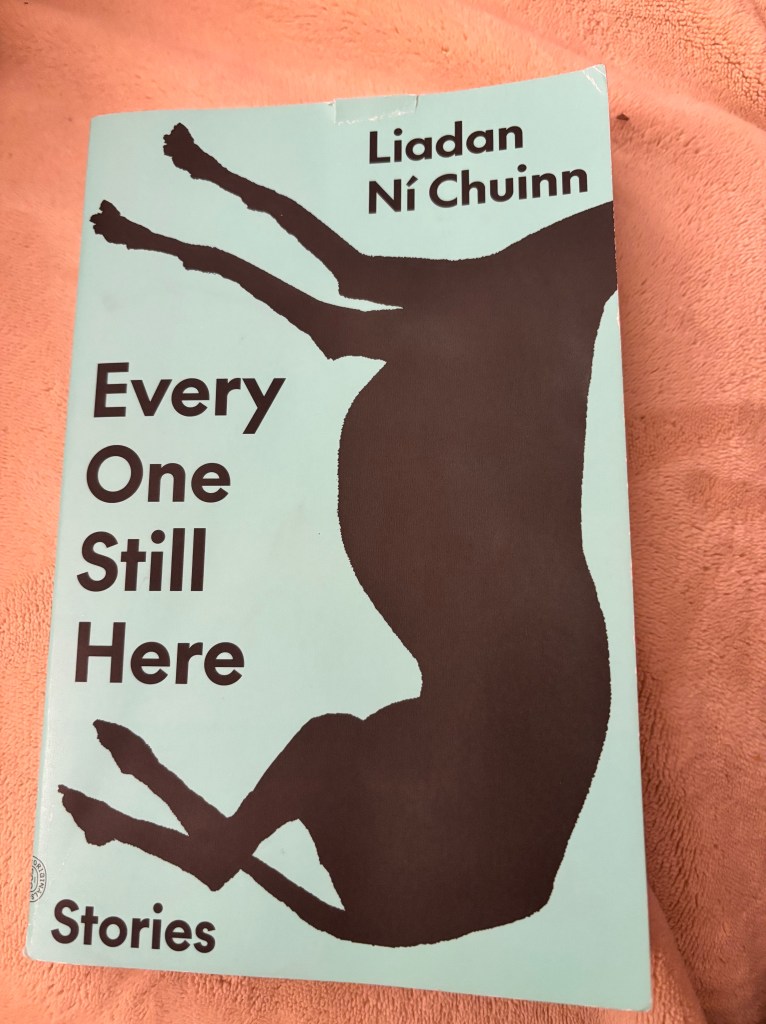
Every One Still Here is the debut short story collection of an Irish writer called Liadan Ni Chuinn. I became aware of it while reading an interview with the novelist, Ali Smith, who recommended it highly. Smith is a brilliant writer, but our tastes in fiction are clearly very different because I finished the collection of six stories feeling disappointed by it and puzzled by her recommendation. There was something relentlessly grim about the stories and a uniformity of tone and emotional color in the collection as a whole that left me feeling disengaged. What can I say? Smith must have seen something I missed.

My Heart is This

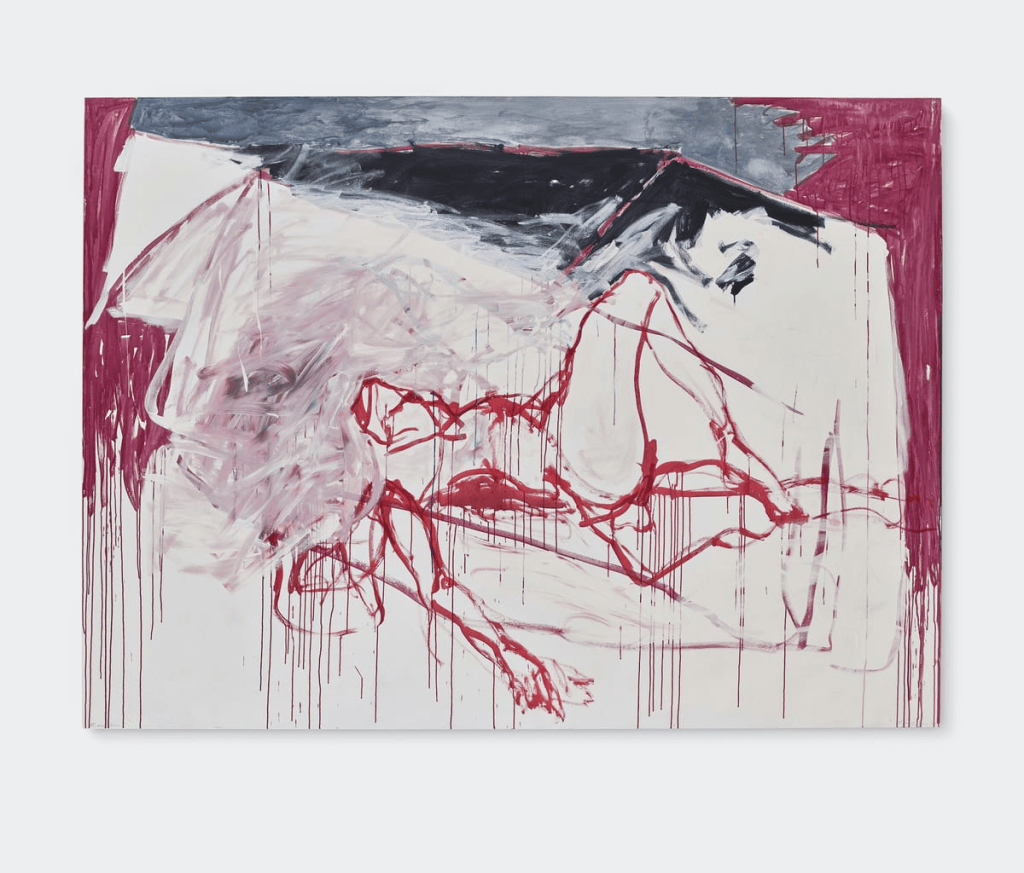
Tracey Emin is one of those artists whose name is known to a wider public beyond those who follow contemporary art. The broader public recognition she enjoys is probably due to an artwork she first created in 1998, My Bed. That installation, plus her association with the Young British Artists (YBA) group that emerged in the late 1980s, has given her a degree of celebrity that few artists of her generation have achieved.

Her work has embraced many media including installations, photography, and video, but in recent years she has focused on painting. Martin Gayford’s most recent book, My Heart is This: Tracey Emin on Painting, captures a series of conversations with the artist about her painting and her influences. Gayford has become something of a “painter whisperer”, having written excellent, critically acclaimed books about Lucian Freud and David Hockney.

I haven’t yet made up my mind about Emin as a painter and Gayford’s book, interesting and insightful as it is, didn’t do much to convince me about the importance of her work. It did, however, do something it intended to do, make the reader go back to the paintings and look more closely and carefully. Emin would be happy about that.