Looking backwards is one of the pleasures of maintaining this blog. It has become a habit of mine at the end of each year to take a look at my reading choices in the previous twelve months. What have my reading habits been? Have any new trends or influences crept in or are the old preferences still firmly in place? Do the choices I made in the past year reveal commendable experimentation or deplorable predictability?
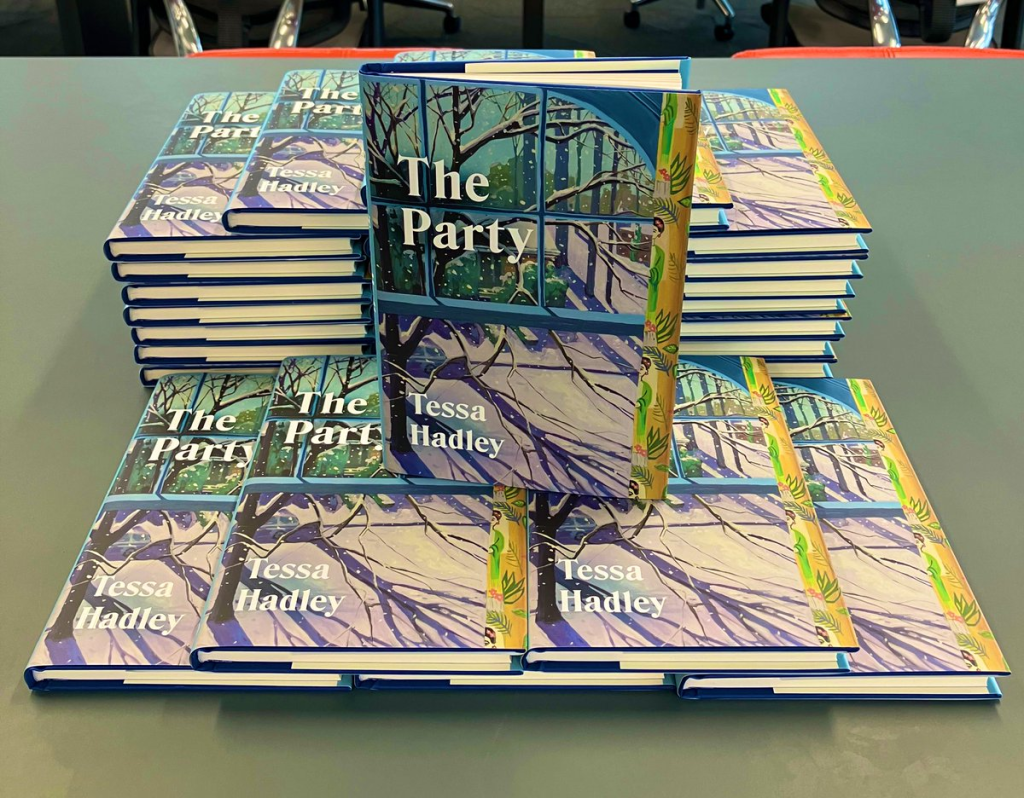
It’s clear, especially as far as fiction is concerned, that I tend to go back to favorite authors and that I’m quick to pick up the new books they publish. Tessa Hadley, Niall Williams, and John Banville were examples of that in 2024. I’m not searching out new novelists (new to me, that is) as often as I think I should. I read for the first time this year only Jose Saramago, Paul Lynch, and Samantha Harvey. I was glad I did in every case. I’m not showing much interest in classic fiction or indeed anything written before the 21st or 20th centuries. Turgenev’s First Love was the exception in 2024, and what a delight that was! I am reading too much second-rate mystery fiction. That needs to change. Two novels stand out from the herd: Time of the Child by Niall Williams and The Western Wind by Samantha Harvey. Both were outstanding and I have recommended them far and wide.
My non-fiction reading was more varied, but my interests are visible clearly nonetheless. Literary memoirs (Werner Herzog, Iain Sinclair, and John McPhee), travel writing inspired by spiritual quests, architecture, and some politics. I think I chose well in 2024, and there were few, if any, regrets. All the non-fiction I read this year was uniformly excellent and engaging.
I am already thinking of 2025. Every time I go into a bookshop, I leave with a different resolution. Read more classics. Read some of the great American novels. Read books from different cultures. Will I follow through on any of these high-minded ambitions? I guess I’ll see soon enough.