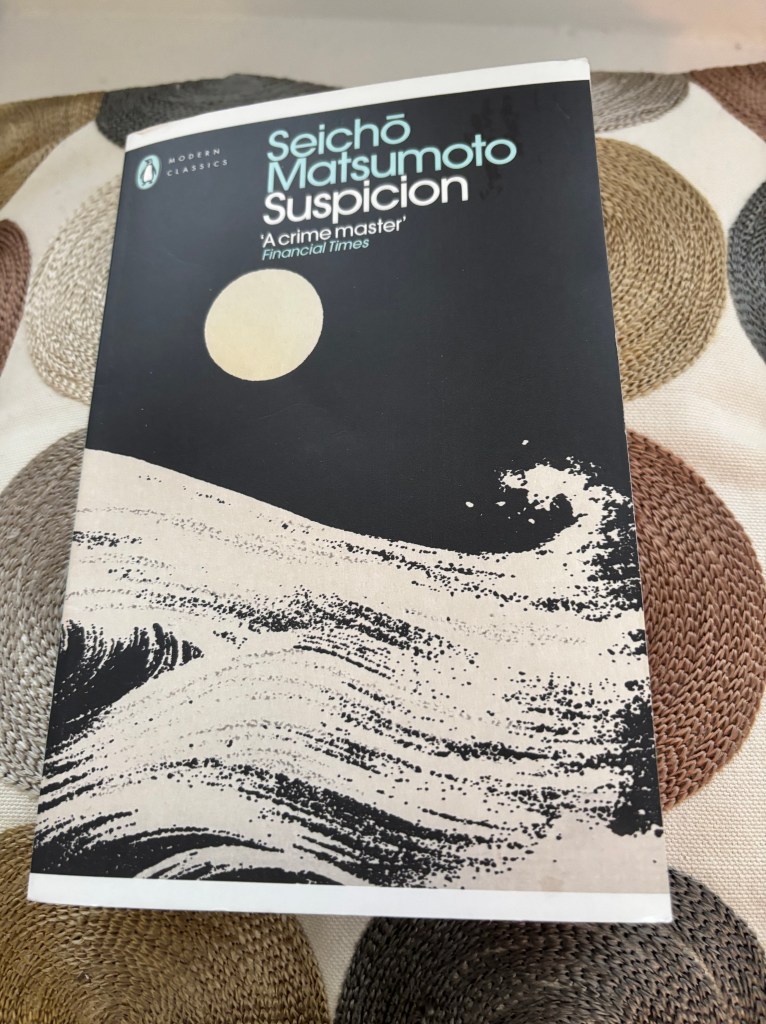
Seicho Matsumoto (1909-1992) was one of Japan’s leading and most popular mystery writers. I first read one of his novels (Tokyo Express) about three years ago and remember enjoying it very much, so when I found myself recently at an airport with nothing to read and spotted Suspicion on the shelves I was eager to see what it would be like. It’s an easy read with a straightforward, simple plot focused on a woman facing trial for the murder of her wealthy husband. The reasons for suspecting her are circumstantial and, it should be said, rooted in prejudices about her background and gender. It takes one independent minded and tenacious lawyer to pick apart the case against her and try to save her from conviction and execution. First published more than forty years ago, Suspicion still resonates for modern readers.
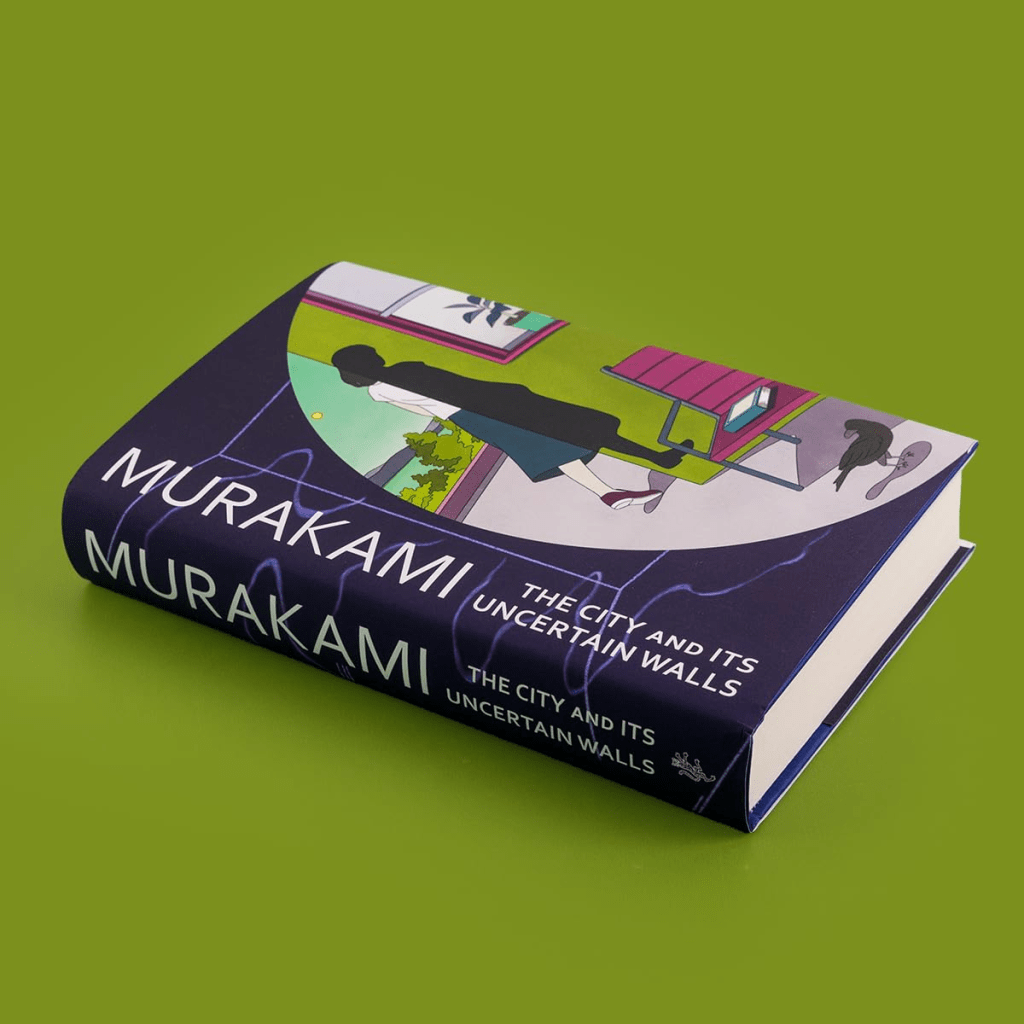
A book’s dust jacket can tell you a lot. The one covering the UK hardcover edition of The City and its Uncertain Walls has the word Murakami printed in large letters on the spine and front cover. No first name. Not Haruki Murakami, just Murakami. The author’s name is much larger than the title. The message is clear. Murakami is special. Murakami is a big deal. Murakami is a brand.
The publication of a new novel by Murakami is an event these days. Lots of advance publicity building anticipation among his millions of admirers around the world. Lots of talk about the Nobel Prize (which still eludes him), and pages of critical reviews. Has he lost his edge? Are the novels too bloated and self-regarding, etc. etc. All of this reflects the enormous global following he has attracted and can sometimes detract from what matters: the appreciation of the work.
This most recent novel has not been well received critically. Reviewers have focused a lot on the fact that it re-works an earlier novel and an even earlier novella published many years ago. Murakami himself addresses that in an Afterword. I have not read either of the earlier works, so my appreciation of The City and its Uncertain Walls was entirely unaffected. I found it to be an engaging, thought-provoking novel, marked by that distinctive atmosphere that is unique to Murakami. It is a novel, at least in part, about how to live. How to connect with others, how to be separate from them, and what that final separation – death – might mean. Murakami’s legions of fans won’t be surprised by any of this. What it really means to be an individual in a world of other individuals has always been his great interest. Our fundamental “aloneness” and singularity and how we deal with the expectation and reality of interaction with others. The boundaries and intersections between things, between individuals, between life and whatever might (or might not) come after, between what’s real and what isn’t, between fact and fiction – this is Murakami’s territory, and it’s all on display and explored in his inimitable style in his latest work.

 Miscellaneous Musings