More Tokyo Musings

The immigration authorities in Japan put a sticker in visitors’ passports when they arrive in the country. Counting the stickers recently, I realized this was my twenty-sixth visit to Tokyo since 2012. Every time I am here, I add to my store of experiences and memories. Tokyo isn’t about “must see” attractions. It’s about the gracious, kind, and welcoming people. It’s about the sheer quirkiness and charm of a society that continues to go its own way and follow its own path. It’s a place that at first seems to be all about conformity but is really quietly subversive and does conformity on its own distinctively Japanese terms.

What did I add to my store of memories this time? A charming basement bar in Daikanyama (Flying Bumblebee), an outstanding teppanyaki meal with friends in Ebisu (Teppan Eden), and buying jazz albums in Tsutaya. Plus a lovely coincidence. The taxi driver who took me to Haneda was the same one I met several years ago. A dapper man in his late seventies (charcoal suit, striped shirt, silk tie, and cool, retro glasses) who only plays Bebop in his cab and who likes to talk (in pretty good English) about Japanese novels. We picked up the conversation where we left off last time. Needless to say, he insisted on putting my luggage in the trunk, and did it with the energy and nimbleness of someone forty years younger.

No city can compete with London for my affections, but Tokyo gets very close.

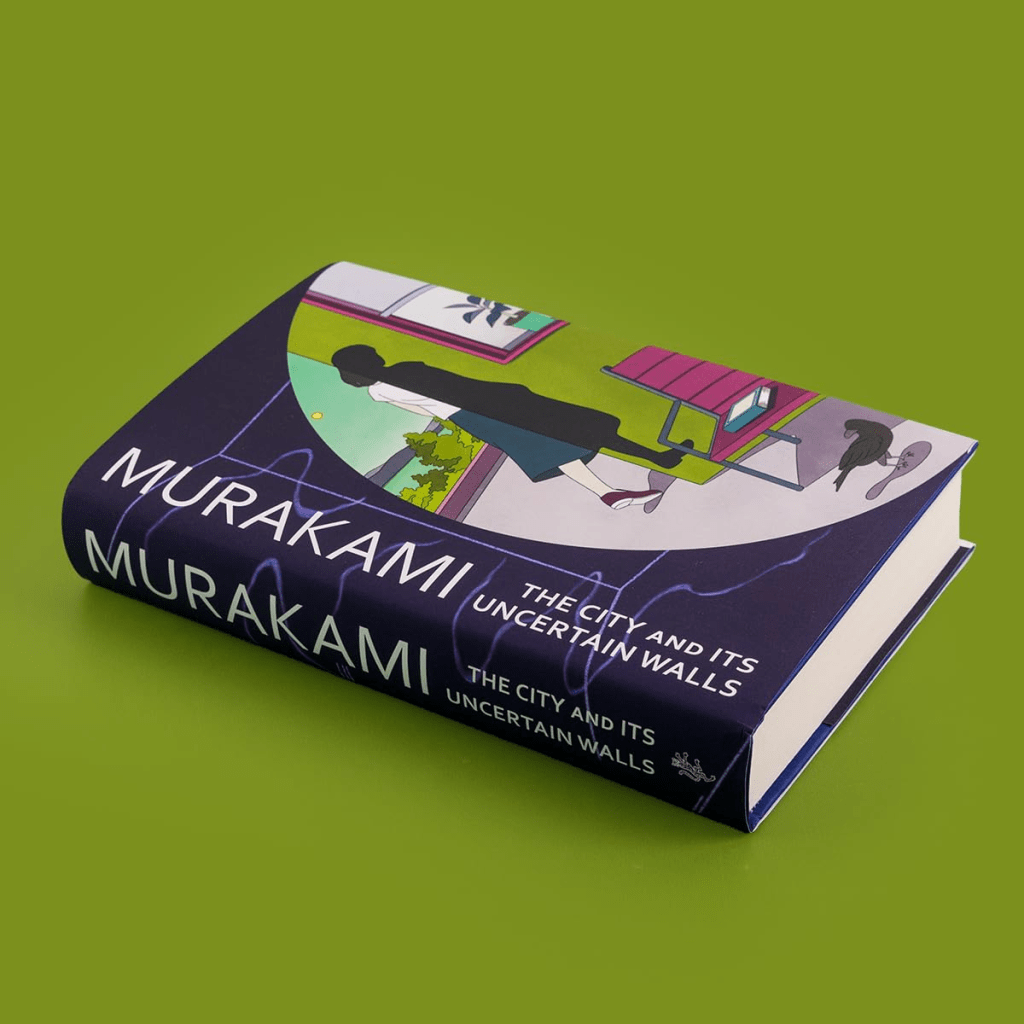
The City and its Uncertain Walls

A book’s dust jacket can tell you a lot. The one covering the UK hardcover edition of The City and its Uncertain Walls has the word Murakami printed in large letters on the spine and front cover. No first name. Not Haruki Murakami, just Murakami. The author’s name is much larger than the title. The message is clear. Murakami is special. Murakami is a big deal. Murakami is a brand.

The publication of a new novel by Murakami is an event these days. Lots of advance publicity building anticipation among his millions of admirers around the world. Lots of talk about the Nobel Prize (which still eludes him), and pages of critical reviews. Has he lost his edge? Are the novels too bloated and self-regarding, etc. etc. All of this reflects the enormous global following he has attracted and can sometimes detract from what matters: the appreciation of the work.

This most recent novel has not been well received critically. Reviewers have focused a lot on the fact that it re-works an earlier novel and an even earlier novella published many years ago. Murakami himself addresses that in an Afterword. I have not read either of the earlier works, so my appreciation of The City and its Uncertain Walls was entirely unaffected. I found it to be an engaging, thought-provoking novel, marked by that distinctive atmosphere that is unique to Murakami. It is a novel, at least in part, about how to live. How to connect with others, how to be separate from them, and what that final separation – death – might mean. Murakami’s legions of fans won’t be surprised by any of this. What it really means to be an individual in a world of other individuals has always been his great interest. Our fundamental “aloneness” and singularity and how we deal with the expectation and reality of interaction with others. The boundaries and intersections between things, between individuals, between life and whatever might (or might not) come after, between what’s real and what isn’t, between fact and fiction – this is Murakami’s territory, and it’s all on display and explored in his inimitable style in his latest work.