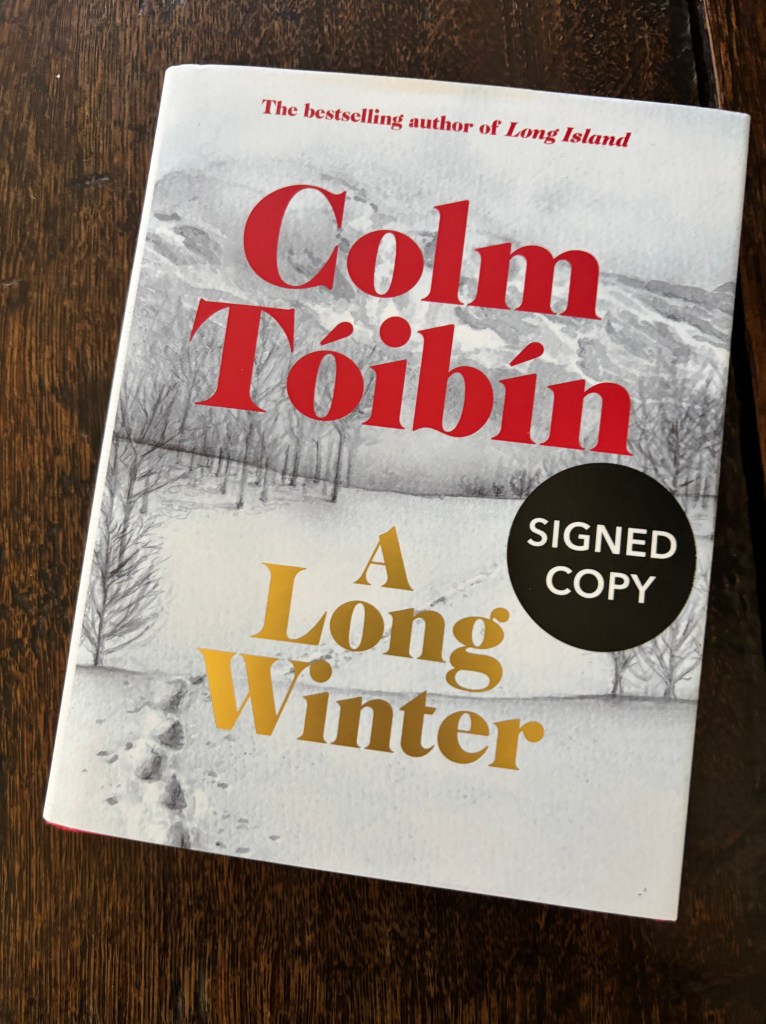
A Long Winter

Colm Toibin’s novella, A Long Winter, was first published in 2005 by a small press, then included in a collection, and has now been re-published in hardcover by Picador. Such maneuvers usually make me skeptical. A large publisher, waiting for new work from their famous author, fills the gap by putting out overpriced hardcovers of early or minor work. It is hardly a new ploy, but I need not have worried in this instance. Diehard fans of Toibin’s work, like me, will enjoy A Long Winter, though it never quite reaches the heights of his later novels.

The story is set in a small, isolated village high in the Spanish Pyrenees. This is a place of smallholdings and land owned and worked for generations by poor farmers. A place where everyone knows everyone else’s business and where both friendships and enmities run deep. Miquel lives here with his mother and father. His much loved brother, Jordi, has just left for military service. On a cold, snowy day, Miquel’s mother, after a bitter confrontation with her husband and son, leaves the small farmhouse and never returns.

A Long Winter is a poignant story about loss, loneliness, and love. What is best? To have known love and to endure the pain of losing someone, or to be alone and never experience such loss? Toibin is a brilliantly subtle observer of human behavior and conveys so much feeling with so few words. If he occasionally falls into the trap, as he does here, of trying to do a little too much, it hardly matters because the results are still so powerful and affecting.
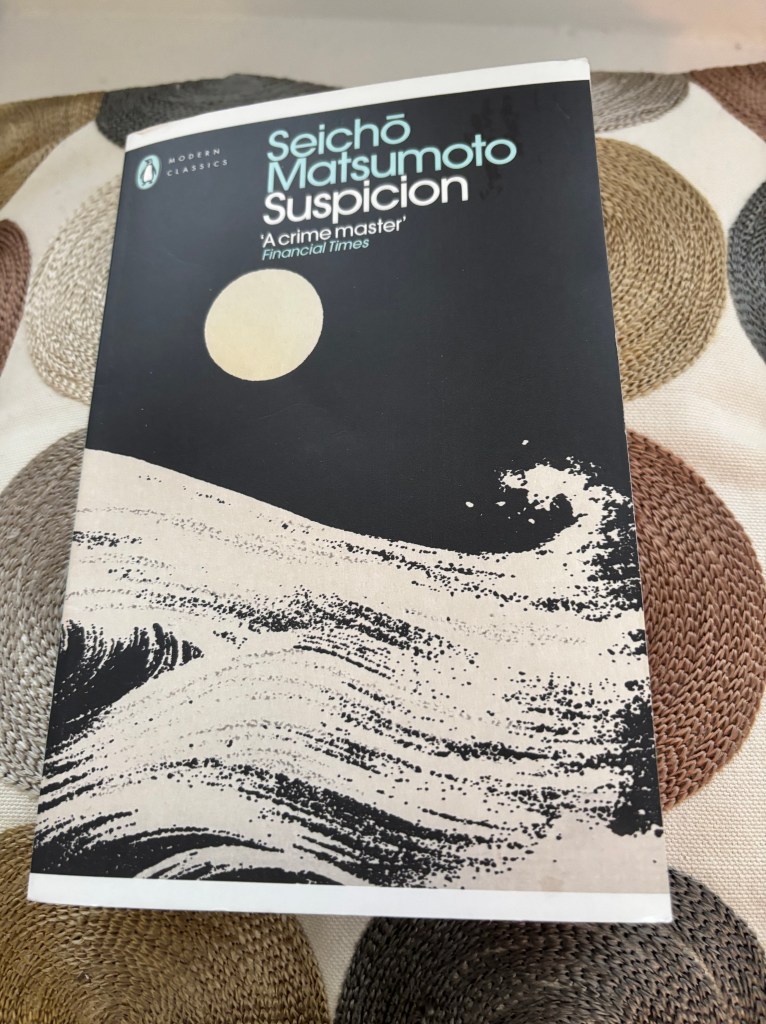
Suspicion

Seicho Matsumoto (1909-1992) was one of Japan’s leading and most popular mystery writers. I first read one of his novels (Tokyo Express) about three years ago and remember enjoying it very much, so when I found myself recently at an airport with nothing to read and spotted Suspicion on the shelves I was eager to see what it would be like. It’s an easy read with a straightforward, simple plot focused on a woman facing trial for the murder of her wealthy husband. The reasons for suspecting her are circumstantial and, it should be said, rooted in prejudices about her background and gender. It takes one independent minded and tenacious lawyer to pick apart the case against her and try to save her from conviction and execution. First published more than forty years ago, Suspicion still resonates for modern readers.

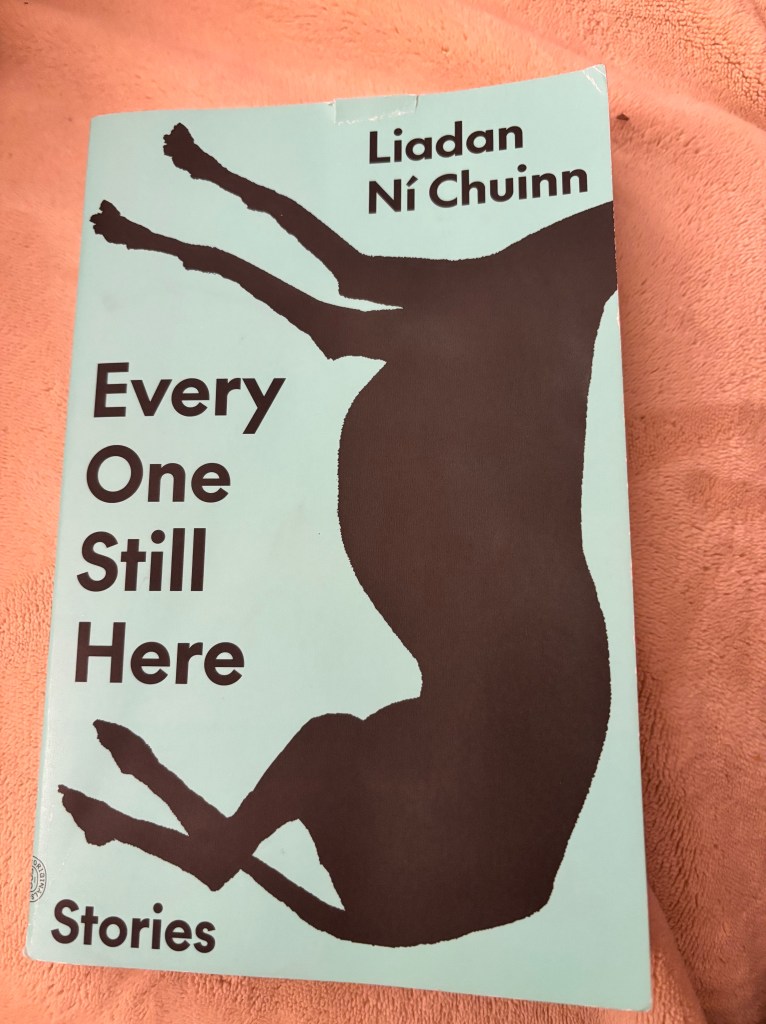
Every One Still Here

Every One Still Here is the debut short story collection of an Irish writer called Liadan Ni Chuinn. I became aware of it while reading an interview with the novelist, Ali Smith, who recommended it highly. Smith is a brilliant writer, but our tastes in fiction are clearly very different because I finished the collection of six stories feeling disappointed by it and puzzled by her recommendation. There was something relentlessly grim about the stories and a uniformity of tone and emotional color in the collection as a whole that left me feeling disengaged. What can I say? Smith must have seen something I missed.

My Heart is This

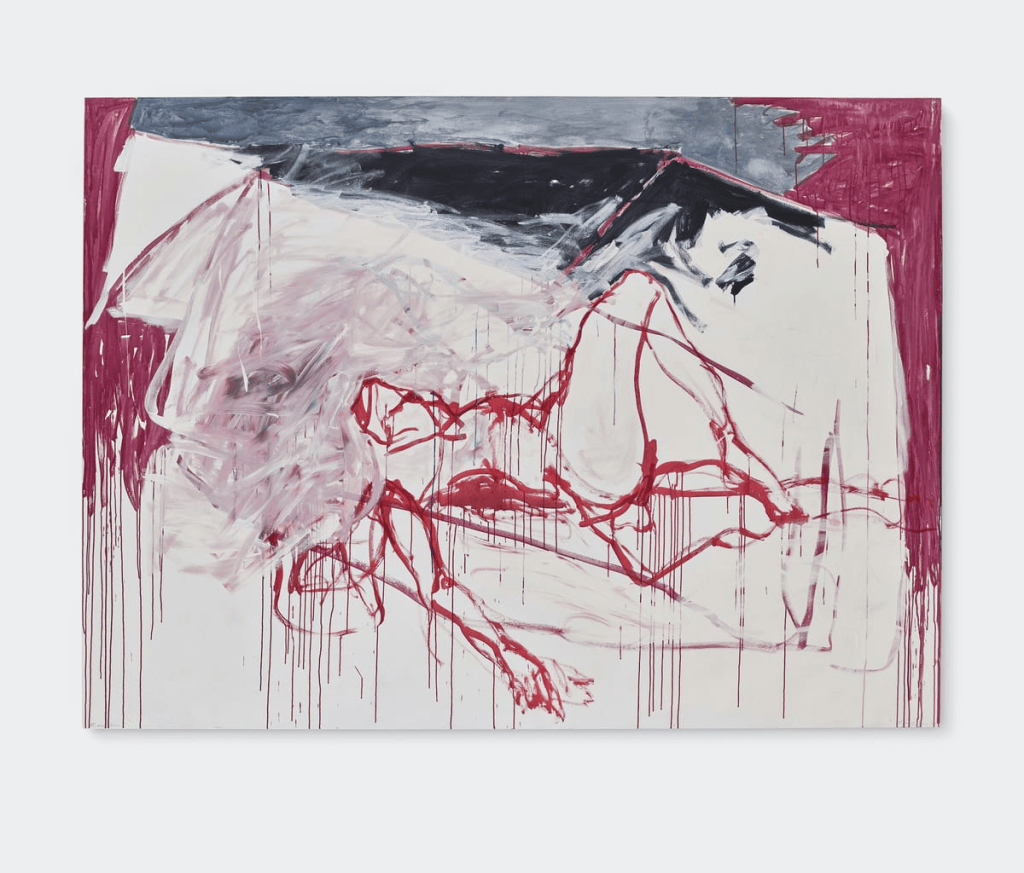
Tracey Emin is one of those artists whose name is known to a wider public beyond those who follow contemporary art. The broader public recognition she enjoys is probably due to an artwork she first created in 1998, My Bed. That installation, plus her association with the Young British Artists (YBA) group that emerged in the late 1980s, has given her a degree of celebrity that few artists of her generation have achieved.

Her work has embraced many media including installations, photography, and video, but in recent years she has focused on painting. Martin Gayford’s most recent book, My Heart is This: Tracey Emin on Painting, captures a series of conversations with the artist about her painting and her influences. Gayford has become something of a “painter whisperer”, having written excellent, critically acclaimed books about Lucian Freud and David Hockney.

I haven’t yet made up my mind about Emin as a painter and Gayford’s book, interesting and insightful as it is, didn’t do much to convince me about the importance of her work. It did, however, do something it intended to do, make the reader go back to the paintings and look more closely and carefully. Emin would be happy about that.

Flesh

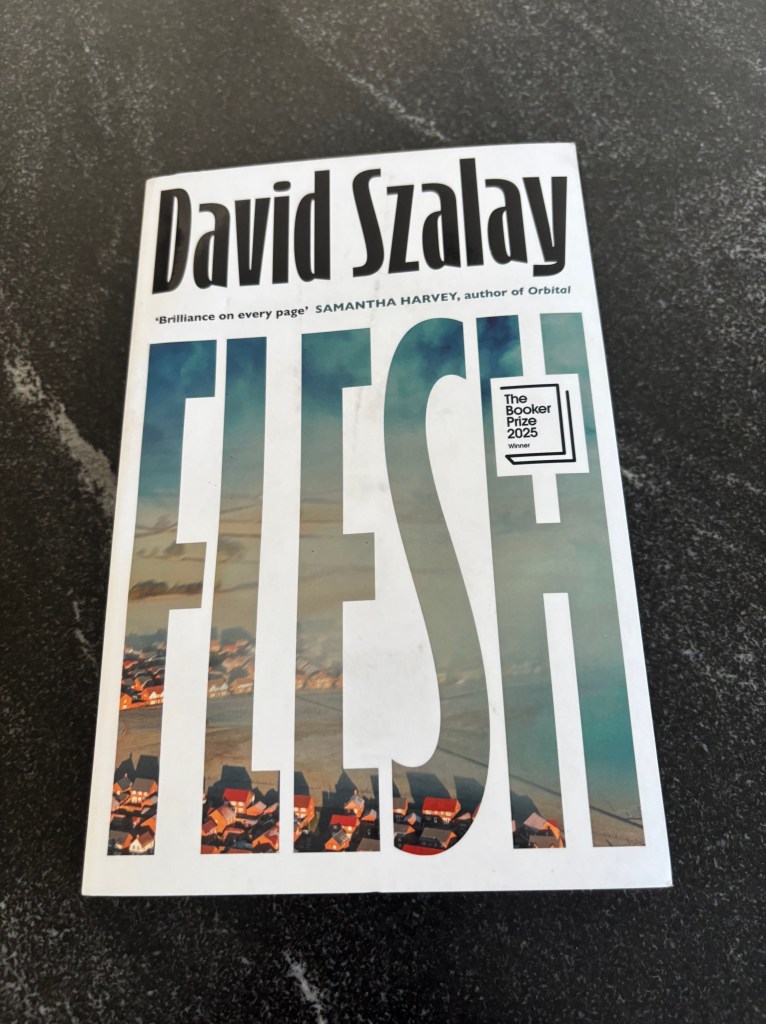
Flesh, which won the Booker Prize in 2025, tells the story of Istvan. Born in a small town in Hungary, Istvan moves, after a spell in a juvenile prison and some time serving in the Hungarian army, to London where he takes a dead end job as a security guard at a strip club. A moment of selflessness and courage changes the course of his life, taking him into the world of a wealthy businessman. That’s probably enough about the plot because I don’t want to spoil anyone’s enjoyment of an unusual and powerful novel.

The story is a simple enough one. What distinguishes Flesh is its remarkably spare and pared back prose. There is scarcely a wasted word and there is a cool precision to the writing that complements perfectly Istvan’s emotional detachment and the difficulty he has connecting with people and with difficult experiences. Istvan encounters tragedy, success, wealth, and intimacy, yet finds himself towards the end of his life close to the place it all started and without the transformations that he might have expected for all his experience. Flesh is a brilliant accomplishment and well deserves all the accolades it has received.

Life in Progress

Hans Ulrich Obrist is a celebrated curator and gallery director. He is currently Artistic Director of the Serpentine Galleries in London. His professional success, at least on the basis of this autobiography, seems to owe as much to determination, drive, hard work, and imagination as it does to any formal training in art history or curation. All very commendable, not least because I imagine the world in which he operates is very competitive.

His professional life has been an interesting one so far (he is only 57), filled with encounters with many of the world’s greatest artists. He has thought deeply about exhibition making and the role of curators in the artistic process. Life in Progress is the story of those experiences and thoughts. Unfortunately, Obrist is no writer. The prose here is flat and lifeless, and the effect of that is occasionally to render a life filled with achievement and insight as something bland and trite. Surely he could, like many others, have found a ghost writer or collaborator. It would have been a far better book if he had.

The Good Liar

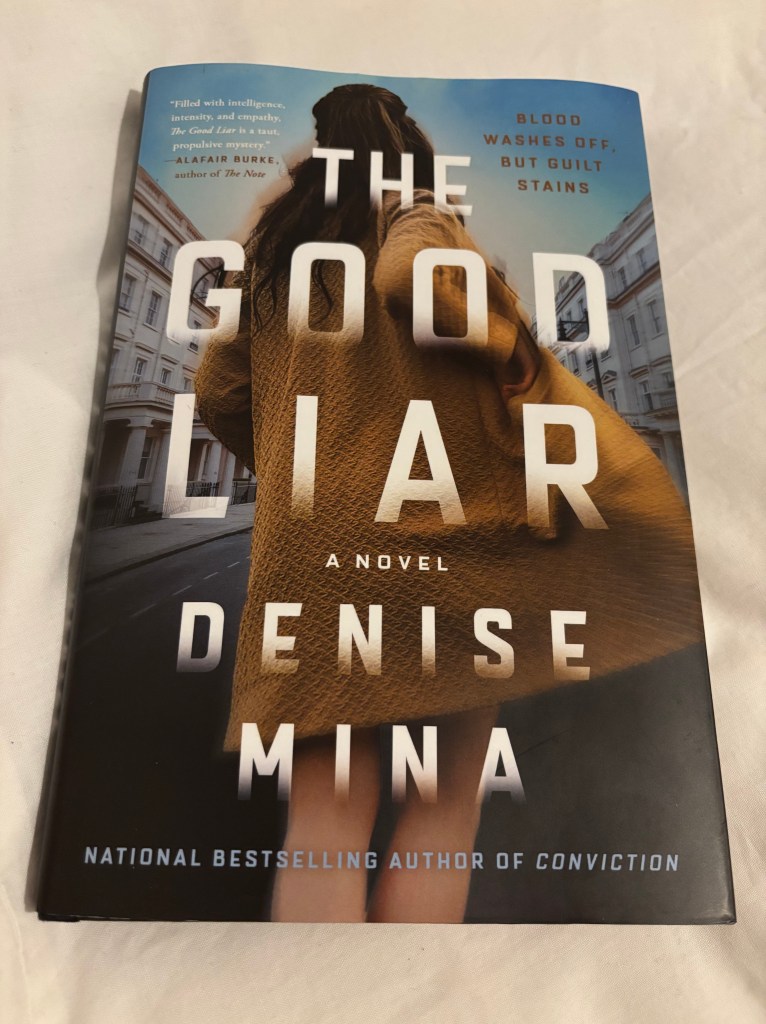
A few years have passed since I last read one of Denise Mina’s novels. Her most recent book, The Good Liar, appeared on a number of those “Best Books of The Year” lists that newspapers like to put out every December, so I was pleased when it showed up, neatly wrapped, under the Christmas tree. I devoured it in a few sittings in that quiet spell between Christmas and New Year.

The dilemma at the heart of the book is a simple enough one. To what lengths would you go to avoid admitting you were wrong? Would the fear of shame or the loss of reputation be enough for you to stay silent even if that silence led to a terrible injustice? That’s essentially the conundrum faced by Claudia O’Sheil, the central character in The Good Liar. O’Sheil is a forensic scientist and an expert in blood spatter analysis, a technique that proves central to some gruesome killings among London’s elite.

Mina is a very accomplished storyteller and has achieved the commercial success to prove it. In The Good Liar she is in a comfortable groove and in complete control of the plot and characterization. It’s all carried off with confidence and poise, but I had a sense of the author coasting. There is nothing wrong with that, particularly when the end result is a novel as entertaining as this, but Mina is capable of more.

Last Year’s Reading

It was hard to miss in 2025 the usual trickle of news articles proclaiming the “death of reading”. These pieces have been showing up for decades. I pay little or no attention to them, but I experienced a tinge of sadness for those who have abandoned or have never known the pleasure, both simple and complex, of immersing themselves in a wonderful book. This feeling must have something to do with the books I read last year, many of which, fiction and non-fiction alike, were outstanding. Who can read a short story by Graham Swift, a novel like A Whole Life or The Land in Winter, or a memoir like Death of an Ordinary Man, and not feel sorry for those who have chosen to cut themselves off from such wonders? Patronizing? Elitist? Possibly, but reading in 2025 often gave me such intense and irreplaceable pleasure that I cannot understand how anyone would prefer to scroll through social media or consume nothing but YouTube videos.

Glancing at the books on my pile as 2026 begins, something tells me it’s going to be another bumper reading year. I’m looking forward to getting started!

This House of Grief

I read “true crime” books very rarely. In fact, I can only think of a few. Capote’s In Cold Blood, of course, and one or two others. My aversion to the genre is simple enough to explain. Many such books, at least in my experience, are badly written and are motivated by a ghoulish and sometimes prurient interest in the misfortune and misery of others. They are, more often than not, the literary equivalent of slowing down to watch a car accident.

This House of Grief is something very different. It is mostly an account of the trial of Robert Farquharson who stood accused of the murder of his three sons on Father’s Day, 2005. The crime and the trial captivated Australian society at the time, but I was entirely unaware of them, and of the book (first published in 2014), until I started to get interested in its author, Helen Garner. Garner recently won the Baillie Gifford prize for her diaries, How to end a Story, and it was those that led me to look at her earlier work. On a visit to The Brick Lane Bookshop in London, This House of Grief was displayed prominently and I snapped it up. I am glad I did.

I think the book has become a classic for several reasons. As an account of the drama that can unfold in a courtroom, it is hard to imagine anything better. Garner has a very sharp eye for the peculiarities of human behavior and the trials gave her a great opportunity to train it on the lawyers, spectators, and witnesses. It is also a deeply disturbing report of the depths of wickedness into which a person might descend. It is a story that could have been recounted in a sensational and vulgar way, but in Garner’s hands it is all done with such humanity. This House of Grief is a truly brilliant and compassionate piece of reporting. Garner’s award winning diaries are now top of my Christmas reading wish list.

Eastbound

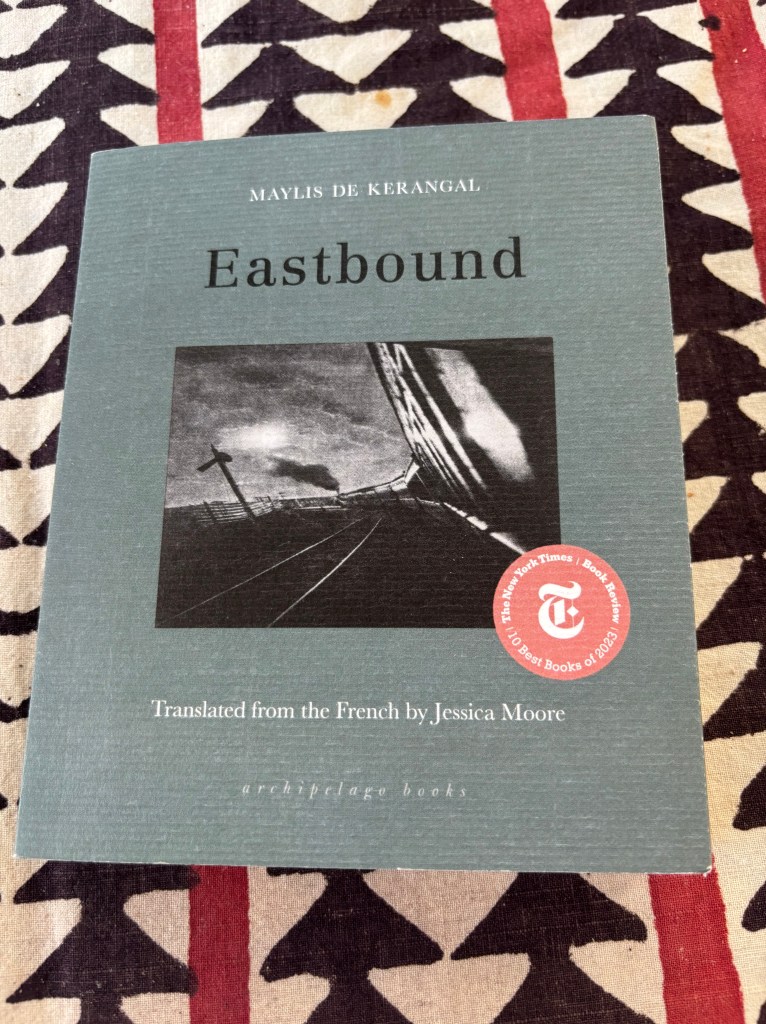
Most books are published in a relatively small number of standard sizes. While there are good reasons for that, titles published in unusual formats or with distinctive designs have a good chance of standing out among the thousands of similar looking books stocked by the average bookstore. Imaginative publishers know that. Browsing one evening recently in a fairly undistinguished chain bookshop in a Massachusetts mall, my eye was caught by a small, almost square paperback called Eastbound by Maylis de Kerangal. No doubt it was the unusual format and pared down, minimalist design that made me pick it off the shelf.

Eastbound features Aliocha, a young Russian conscript on his way to report for compulsory military service in Siberia. Traveling on the Trans-Siberian Express, Aliocha is so frightened of what lies at the end of the long journey that he is determined to abscond. On the train he meets Helene, a French tourist traveling in first class, and sees an opportunity to escape.

It may seem an implausible tale, but the author (Maylis de Kerangal) creates such an intense and dreamlike atmosphere on board the cramped and claustrophobic train moving relentlessly towards the frozen wastelands of Siberia that it hardly seems to matter. This is a novella about shared humanity, people’s destinies and fates and how they intertwine in the least likely of circumstances. Fevered and almost surreal, Eastbound may be short but it sticks in the memory.