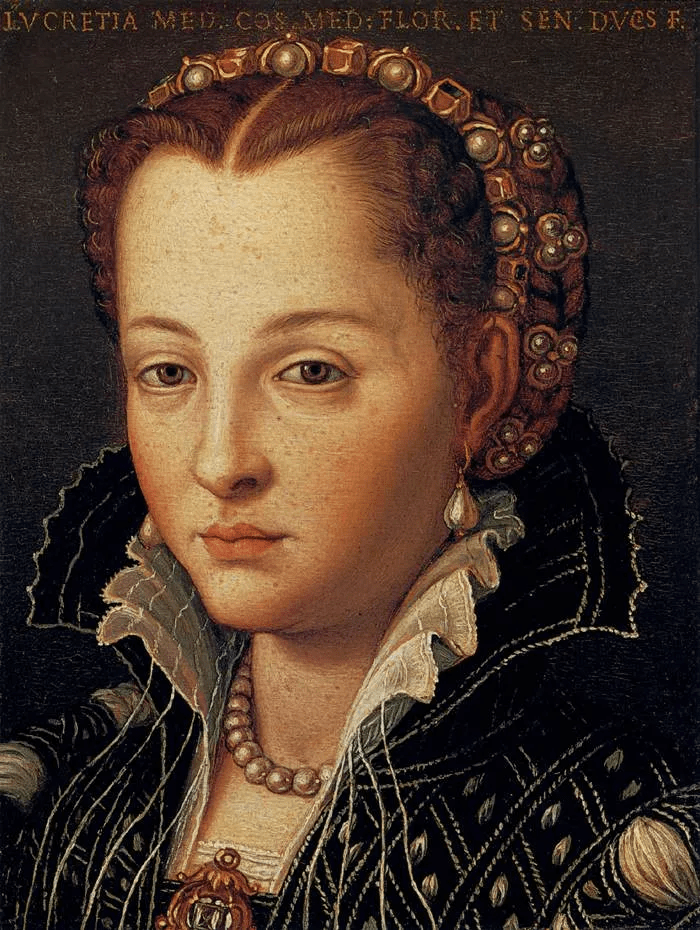
Having enjoyed Maggie O’Farrell’s previous novel (Hamnet), The Marriage Portrait was a big disappointment. Set in 16th century Italy, it tells the story of Lucrezia de Medici and her betrothal at a young age to the Duke of Ferrara. The union of two aristocratic families is the intention, and Lucrezia’s role is clear: the production of a male heir.
The Marriage Portrait is overlong and overwritten. I found I had no interest in the fate of Lucrezia or the machinations of her cruel husband. I can’t recall when I last looked forward so much to a book from such a gifted novelist and ended up so disappointed.
I finished this biography of George Eliot appreciating for the first time how courageous and brilliant she was. I had loved several of her novels (Middlemarch, Silas Marner, The Mill on The Floss) when I was a student, but I knew almost nothing of her life until I read Clare Carlisle’s book, The Marriage Question.
In 1854, Marian Evans (as she was then) took the decision to elope with a married man, George Henry Lewes. It is hard, nearly two centuries later, to understand how much scandal and rejection her commitment to Lewes provoked. She was for a time ostracized by family, friends, and “polite society”, and only the celebrity that came with the success of her writing in the 1860s helped to mitigate some of the effects of her “marriage” to Lewes.
Claire Carlisle is an academic and philosopher, and is particularly good at explaining Eliot’s intellectual development and the influence that philosophers such as Hegel and Spinoza had on her thinking and work. Carlisle’s insistence that ideas about “marriage” are the key to understanding Eliot’s novels is, in my view, overstated, but she is a sensitive reader of the key works. I recommend this book without reservation, but it will appeal most to those who know and love the Eliot canon.


 Miscellaneous Musings