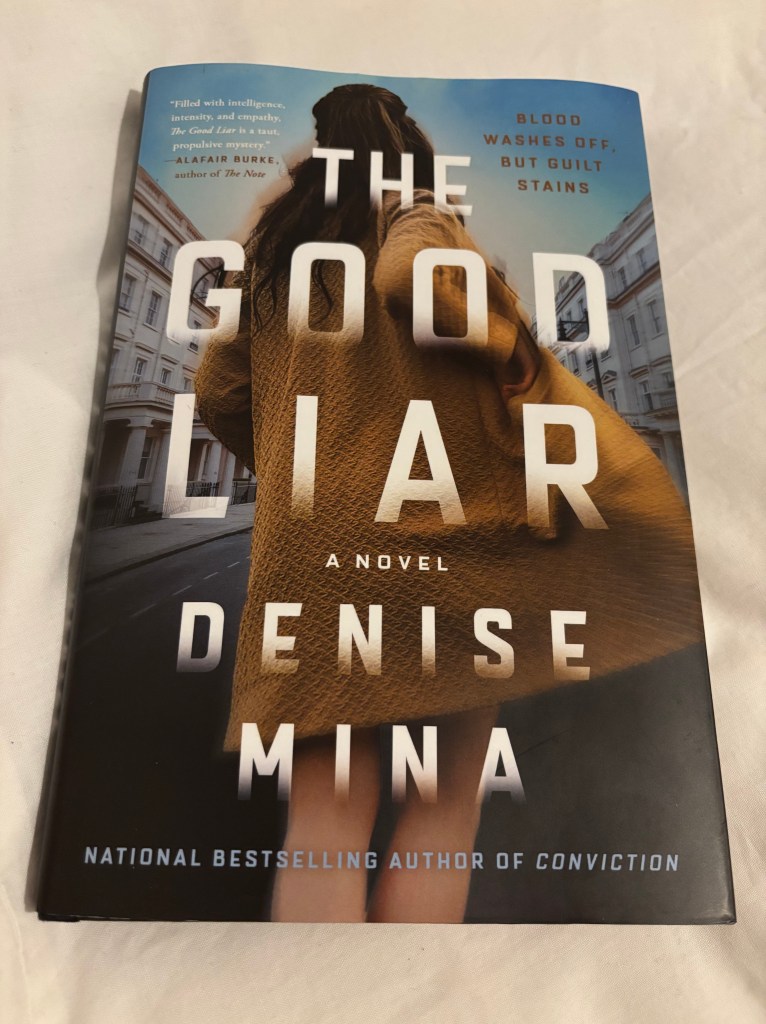
Greyhound

The cross-country American road trip has fascinated many great writers. Most of them have been men and most of them have completed the trip by car. Joanna Pocock, a Canadian-born writer, did it differently, traveling from Detroit to Los Angeles by Greyhound bus. She did it first in 2006, taking to the road in the wake of personal tragedies including the loss of her sister and several miscarriages. She repeated the road trip in 2023, making Greyhound in part a sustained reflection of how America has changed in the intervening years. It is a brilliant and fascinating book; grim reading for sure and shot though with sadness and despair for the state of the nation. It is also a compelling and depressing account of the environmental devastation underpinning so much of American “progress”.

Pocock has immersed herself in the literary canon and I enjoyed learning about writers I was previously unfamiliar with such as James Rorty.

“I encountered nothing in 15,000 miles of travel that disgusted and appalled me so much as this American addiction to make believe. Apparently, not even empty bellies can cure it. Of all the facts I dug up, none seemed so significant or so dangerous as the overwhelming fact of our lazy, irresponsible, adolescent inability to face the truth or tell it.”

Pocock has written a thoughtful account of modern-day America and a poignant elegy for a country that many feel has lost its way and betrayed its founding vision.
Life in Progress

Hans Ulrich Obrist is a celebrated curator and gallery director. He is currently Artistic Director of the Serpentine Galleries in London. His professional success, at least on the basis of this autobiography, seems to owe as much to determination, drive, hard work, and imagination as it does to any formal training in art history or curation. All very commendable, not least because I imagine the world in which he operates is very competitive.

His professional life has been an interesting one so far (he is only 57), filled with encounters with many of the world’s greatest artists. He has thought deeply about exhibition making and the role of curators in the artistic process. Life in Progress is the story of those experiences and thoughts. Unfortunately, Obrist is no writer. The prose here is flat and lifeless, and the effect of that is occasionally to render a life filled with achievement and insight as something bland and trite. Surely he could, like many others, have found a ghost writer or collaborator. It would have been a far better book if he had.

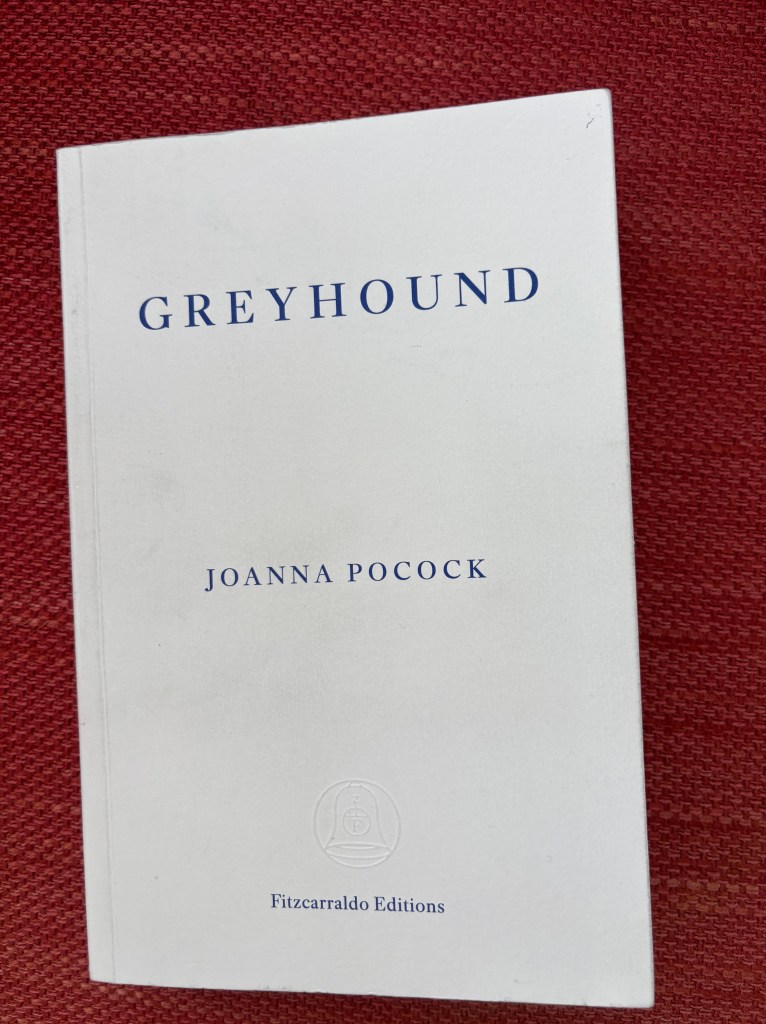
The Good Liar

A few years have passed since I last read one of Denise Mina’s novels. Her most recent book, The Good Liar, appeared on a number of those “Best Books of The Year” lists that newspapers like to put out every December, so I was pleased when it showed up, neatly wrapped, under the Christmas tree. I devoured it in a few sittings in that quiet spell between Christmas and New Year.

The dilemma at the heart of the book is a simple enough one. To what lengths would you go to avoid admitting you were wrong? Would the fear of shame or the loss of reputation be enough for you to stay silent even if that silence led to a terrible injustice? That’s essentially the conundrum faced by Claudia O’Sheil, the central character in The Good Liar. O’Sheil is a forensic scientist and an expert in blood spatter analysis, a technique that proves central to some gruesome killings among London’s elite.

Mina is a very accomplished storyteller and has achieved the commercial success to prove it. In The Good Liar she is in a comfortable groove and in complete control of the plot and characterization. It’s all carried off with confidence and poise, but I had a sense of the author coasting. There is nothing wrong with that, particularly when the end result is a novel as entertaining as this, but Mina is capable of more.

Last Year’s Reading

It was hard to miss in 2025 the usual trickle of news articles proclaiming the “death of reading”. These pieces have been showing up for decades. I pay little or no attention to them, but I experienced a tinge of sadness for those who have abandoned or have never known the pleasure, both simple and complex, of immersing themselves in a wonderful book. This feeling must have something to do with the books I read last year, many of which, fiction and non-fiction alike, were outstanding. Who can read a short story by Graham Swift, a novel like A Whole Life or The Land in Winter, or a memoir like Death of an Ordinary Man, and not feel sorry for those who have chosen to cut themselves off from such wonders? Patronizing? Elitist? Possibly, but reading in 2025 often gave me such intense and irreplaceable pleasure that I cannot understand how anyone would prefer to scroll through social media or consume nothing but YouTube videos.

Glancing at the books on my pile as 2026 begins, something tells me it’s going to be another bumper reading year. I’m looking forward to getting started!