Ho Chi Minh City

10 million or 14 million? That’s how widely the estimates vary when it comes to the population of Ho Chi Minh City (HCMC). Either way, it’s a large and crowded city. My first impressions of it were probably no different from every other visitor’s. With more mopeds than I’ve ever seen in one place, crowding not only the streets but also every inch of every sidewalk, HCMC might just be the least pedestrian-friendly city I’ve ever visited. Hot, humid, and with daily thunderstorms (when I visited), it’s not a comfortable place, but it has undeniable energy and character.

Its reputation as a great place for food precedes it and, certainly on the evidence of my few days there, is well deserved. From high-end restaurants to the most casual street food hawkers, HCMC has something for every palate and budget. I sampled as much as I could in my brief stay, focusing on Vietnamese specialities, and enjoyed every mouthful, though no one can convince me to appreciate the local coffee, served with sweetened condensed milk.

I managed to see only a few of the city’s landmarks. One highlight was my tour of the Independence Palace which gave me a concentrated and quite moving history of Vietnam in the troubled and tragic years of the 20th century. Unmissable for the first time visitor, as is the Saigon Central Post Office, competed in 1891 and a masterpiece of French colonial architecture.

Not the calmest or easiest city I have ever been to, Ho Chi Minh City nevertheless has the sort of vibrancy that seduces a visitor. I’m already looking forward to exploring more.
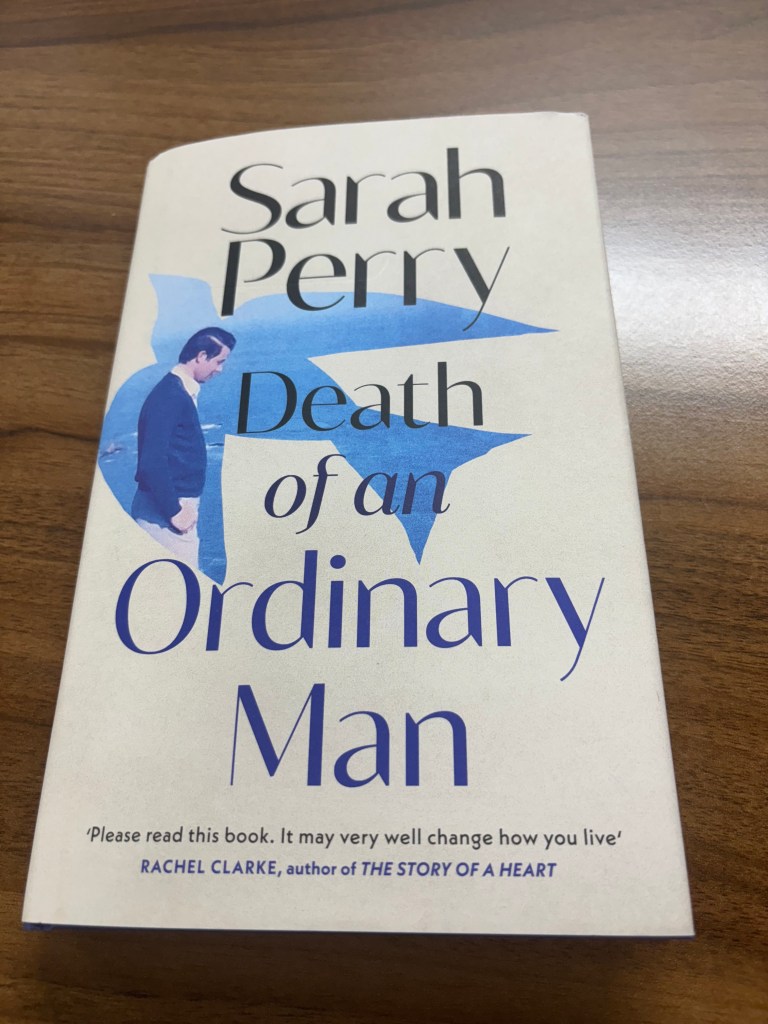
Death of an Ordinary Man

Another beautifully written and important book about death and fathers. Death of an Ordinary Man is a memoir, but it comes from the hands of a celebrated and prize winning English novelist, Sarah Perry, who brings to this deeply felt and moving account of the death of her much loved father-in-law an artist’s particular sensitivity and insight. It may be a story about death, but it’s also about illness, the care of the dying and ultimately about love and faith. It may be very particular, but it is also universal. And as the blurb on the cover says, “Please read this book. It may very well change how you live“. This unforgettable book deserves to win every prize available. I have not read anything as deeply moving for a very long time.

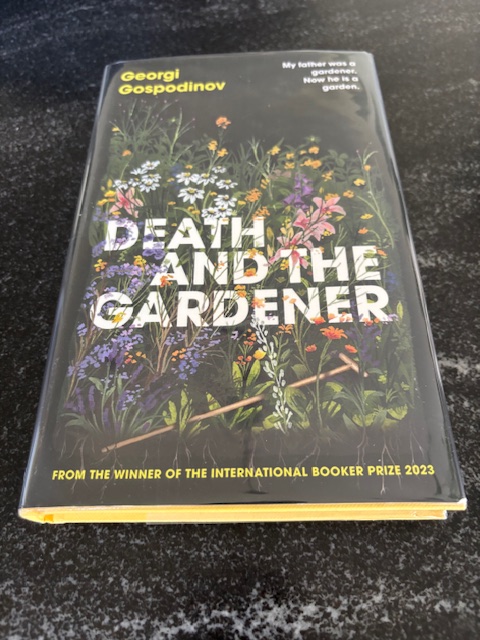
Death and the Gardener

I have the impression that fewer novels are written about fathers and fatherhood than mothers and motherhood. That may simply reflect my reading choices and experience. Anyone who loved their father and lost him to illness is likely to be moved deeply by Death and the Gardener, the most recent novel from the Bulgarian writer (and winner of the International Booker prize in 2023), Georgi Gospodinov.

The book reads like a memoir. The narrator is a celebrated Bulgarian writer and his story is told with the apparently unflinching candor that one normally associates with journals or autobiographies. His account weaves memories of his father with a description of the old man’s illness, treatment, and death, all told in a style marked by simple directness with flashes of real tenderness. It’s one of those books that you find yourself wanting to read more slowly, more carefully, going back over particular sentences and paragraphs to embed them firmly in your memory and experience.

In remembering his father, and telling those remembrances, the narrator creates a eulogy and a memorial that will outlast the father and the son. And Gospodinov, in creating the story, creates a eulogy and memorial for every father that was loved and lost, so that perhaps the sons still living might realize and cherish what they had and what will never return. “We will never be as safe as we once were in our father’s arms“.