
Niall Williams’ latest novel is one of the finest I have read in a very long time. I rarely use the word, but I think it’s a masterpiece. The novel is beautifully crafted and practically every sentence is a joy to read. It is written with a lyricism that is so rare in contemporary fiction and with a sensitivity for language and for its nuances that feels like a skill from a bygone age. Who else writes like this today? Marilynne Robinson comes to mind, but few others.
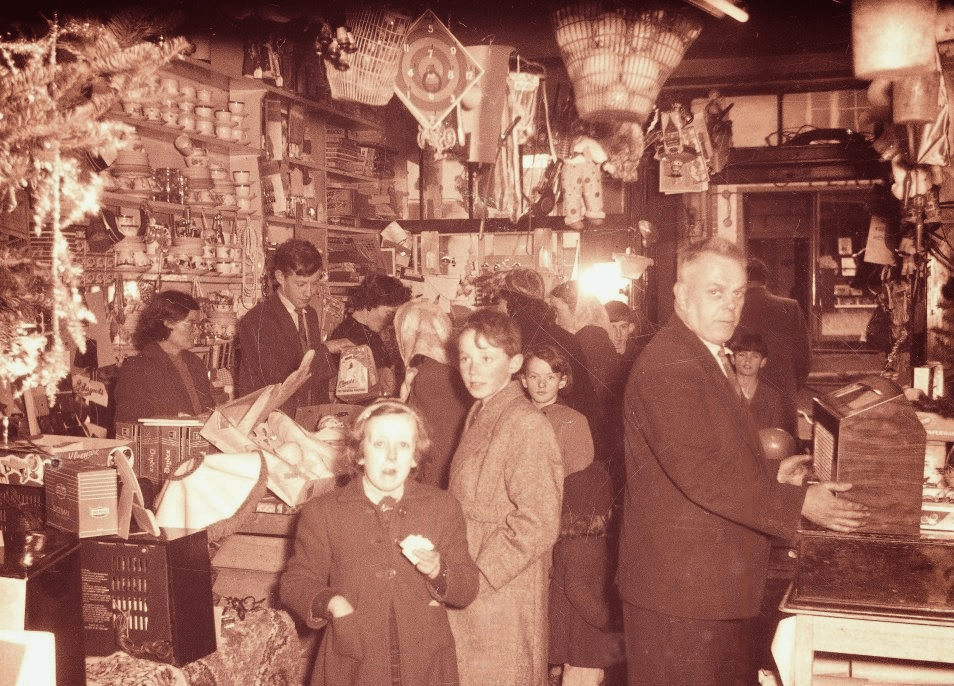
Time of the Child is set in the fictional village of Faha in the west of Ireland. The time is December 1962. Electricity, televisions, and telephones came to the village just a few years earlier, but many of Faha’s residents are stuck in earlier times. They live in houses illuminated by candles and heated by peat fires. They work mostly on the land, and the rhythms of their lives are set by the changing seasons and by religious festivals. The priests have power. The church and the pubs are where people meet. If this sounds far-fetched, it isn’t. My childhood visits to rural Connemara and West Cork started in the mid-1960s, and Williams’ depiction of the place is faithful to what I saw and experienced.
A gift arrives in this isolated and timeless place. A newborn baby is abandoned in the village churchyard and discovered by a local boy. Thinking it dead, he takes it to the local doctor. What happens next is a mystery. Whether by Dr. Troy’s skill or the power of prayer, the baby girl is revived and given the name Noelle. No more about the plot. I do not want to spoil anyone’s enjoyment of the novel.
Time of the Child is everything I want in a novel. Exquisite lyrical prose, deep insight into what it is to be human and humane, into how to live alone and in community, and what it means to be open to the possibility of transformation and redemption.
 Miscellaneous Musings