
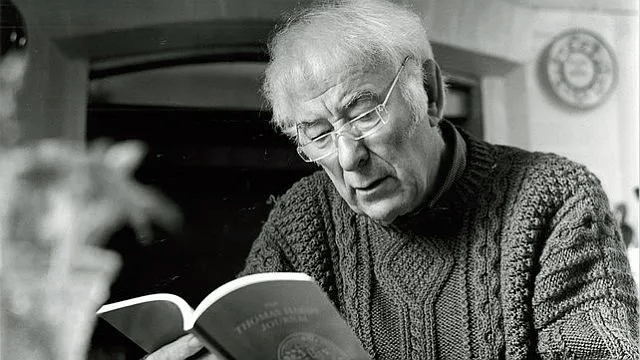
Why does anyone read a published collection of letters? In my own case, to learn more about someone who interests me, and to discover something of the human individual behind the public persona. Seamus Heaney, whose work I have loved since I encountered it first in the mid-1980s, presented two faces to the world. First, the peerless poet who left us a body of work of unique beauty. Second, poetry’s global ambassador whose life, especially after winning the Nobel Prize, seemed an exhausting parade of readings, lectures, and public endorsements of the works of others, both the long dead and those young writers just starting out. Away from the glare of literary celebrity, Famous Seamus, as he was sometimes called, steps out of the pages of this collection of letters first and foremost as a great and loyal friend. The best letters here are those he wrote to his dearest friends, the likes of Michael Longley, Seamus Deane, and Ted Hughes.
The collection opens in December 1964 just before his first collection of poems was accepted by Faber & Faber, and ends just before his death in 2013. Someone else will no doubt collect, organize, edit and publish his earlier letters, but Christopher Reid chooses wisely to begin this selection just as Heaney, then twenty-five, was on the brink of beginning his career as a published poet.
It should be no surprise to anyone that Heaney wrote beautiful letters. What a joy it must have been to receive one of them, filled, as they so often were, with teeming images, brilliance, fun, and warmth. His letters to fellow writers, notably to those younger than him, like Paul Muldoon, offer words of encouragement, praise, and support. As he grew older, and as the Nobel Prize brought great fame and never ending demands on him, the strain started to show, but there was always time for friends. Private letters don’t always show their writers in a favorable light. Heaney had no such worries. I closed this book concluding that the great poet was also a wise, loving, and generous man.

 Miscellaneous Musings