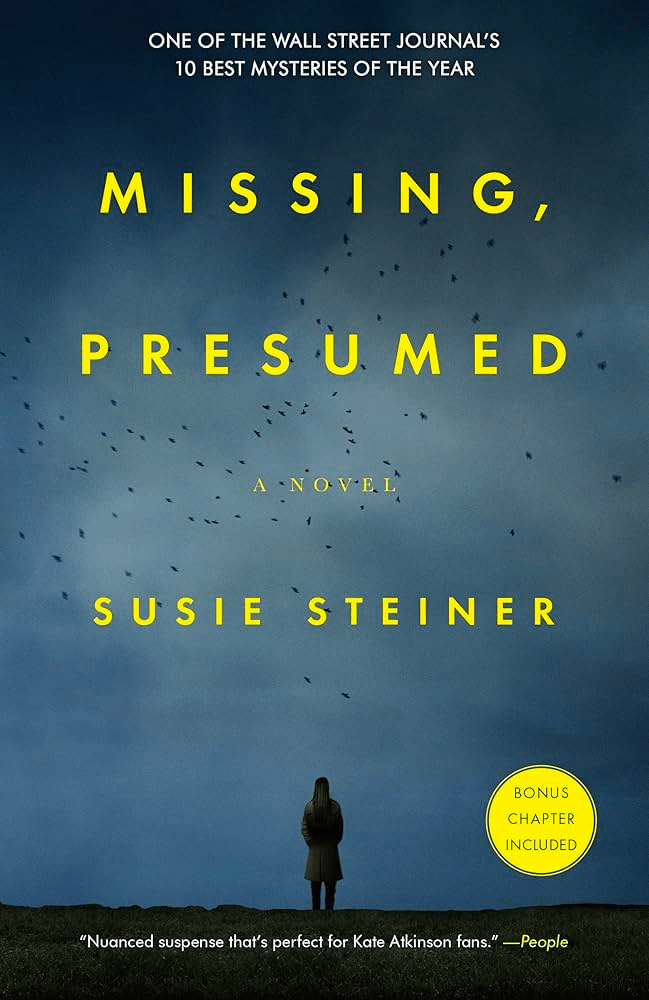
A 13 hour flight to Tokyo seemed like the perfect excuse to indulge the Manon Bradshaw habit I acquired after reading Missing, Presumed. Persons Unknown has the same cast of characters as the first book in the series, but it’s an altogether darker novel. The murder of a high-flying wealth manager leads detectives to a grotesque world of exploitation and violence, but DI Bradshaw is forced to the sidelines of the investigation because the initial suspect is none other than her adopted son.
Whatever superficial differences there might be between the stories, there is a common ingredient that makes this series work so well: credible and likable characters. The long flight passed quickly in Manon Bradshaw’s quirky company. I’m hooked and I have already bought the final book in the trilogy.
The flawed detective has at this point become a staple ingredient of police procedurals. From Colin Dexter’s Morse to Henning Mankell’s Wallander, we have all become accustomed to the clever sleuth whose personal life is a mess. DS Manon Bradshaw is squarely in that tradition. As Missing, Presumed opens, we find her on her latest Internet date with yet another comically unsuitable man. Just beneath Manon’s growing disillusionment with men and life in general lies a suspicion she can’t quite shift that she would be better off alone or that some character flaw makes her unsuited to a lasting relationship.
At work in the Cambridgeshire police service, things are somewhat different for Manon. She might lack flair, but she has doggedness and determination, and whatever world weariness might have blighted her personal life hasn’t yet spoiled her appetite for the job. The job on this occasion is finding out what has happened to a Ph.D student who goes missing from her home without explanation. A complicated love life and a privileged background add spice to what might otherwise have been an unremarkable missing persons case.
As is so often the case with this genre, the real fun lies less in the plot than it does in the characterization. I’m already looking forward to seeing what happens next wtih Manon Bradshwaw.
They keep getting longer and longer. The latest in the highly successful Cormoran Strike series, The Running Grave, weighs in at 940 pages. I was happy to turn the final page because I had grown tired of the intricate and bloated (but not compelling) plot long before that point. But at least I could finish it, something I could not say about the previous installment. Someone needs to have a quiet word in J. K. Rowling’s ear. Less is sometimes more.
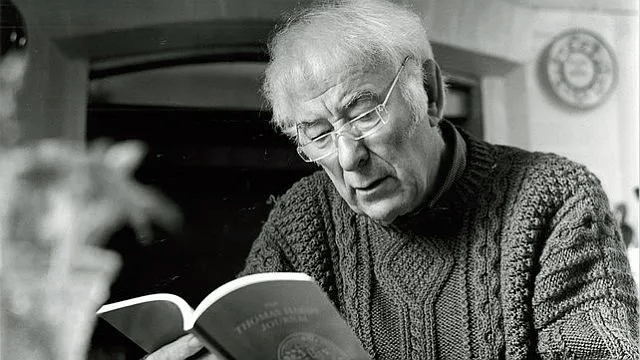
Why does anyone read a published collection of letters? In my own case, to learn more about someone who interests me, and to discover something of the human individual behind the public persona. Seamus Heaney, whose work I have loved since I encountered it first in the mid-1980s, presented two faces to the world. First, the peerless poet who left us a body of work of unique beauty. Second, poetry’s global ambassador whose life, especially after winning the Nobel Prize, seemed an exhausting parade of readings, lectures, and public endorsements of the works of others, both the long dead and those young writers just starting out. Away from the glare of literary celebrity, Famous Seamus, as he was sometimes called, steps out of the pages of this collection of letters first and foremost as a great and loyal friend. The best letters here are those he wrote to his dearest friends, the likes of Michael Longley, Seamus Deane, and Ted Hughes.
The collection opens in December 1964 just before his first collection of poems was accepted by Faber & Faber, and ends just before his death in 2013. Someone else will no doubt collect, organize, edit and publish his earlier letters, but Christopher Reid chooses wisely to begin this selection just as Heaney, then twenty-five, was on the brink of beginning his career as a published poet.
It should be no surprise to anyone that Heaney wrote beautiful letters. What a joy it must have been to receive one of them, filled, as they so often were, with teeming images, brilliance, fun, and warmth. His letters to fellow writers, notably to those younger than him, like Paul Muldoon, offer words of encouragement, praise, and support. As he grew older, and as the Nobel Prize brought great fame and never ending demands on him, the strain started to show, but there was always time for friends. Private letters don’t always show their writers in a favorable light. Heaney had no such worries. I closed this book concluding that the great poet was also a wise, loving, and generous man.




 Miscellaneous Musings