Trespasses

Everyone of my generation in the UK knows what is meant by the Troubles, but it’s a term we have to explain to our children. The sectarian conflict in Northern Ireland was never far from the surface when I was growing up. Most evenings the television news featured some new atrocity. A car bomb, a random murder, a punishment beating, sometimes indiscriminate violence inflicted by the British army, the Irish Republicans, or one of the many Loyalist groups. Occasionally the mayhem spread beyond the borders of Northern Ireland, as it did when Lord Mountbatten was murdered off the coast of the Irish republic or when a hotel bomb in Brighton narrowly missed Margaret Thatcher.

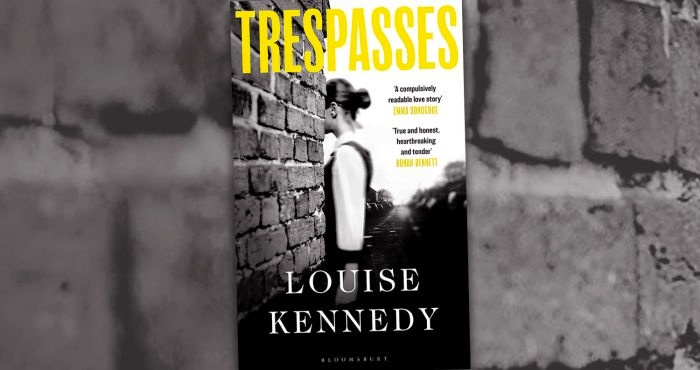
The Troubles are not just the backdrop to Louise Kennedy’s fine novel, Trespasses. They are intrinsic to every episode and every conversation, and as present and unavoidable in the lives of its characters as their pulses and heartbeats. Cushla Laverty is a Catholic and teaches in a local school in Belfast. She helps out when she can behind the bar of the pub her family owns. It’s a pub that includes Protestants among its customers, and one of them is Michael Agnew, a well known attorney. The two start an intense relationship that cuts across religious, class, and political divisions. Trouble is certain.

Kennedy writes beautifully, and not just about families, love, and divisiveness. She gives us real human beings, vividly and convincingly. Cushla’s alcoholic mother, Michael’s snobbish middle class friends, and most of all schoolchildren in all their wonderful innocence. Trespasses is something special.
Rotherhithe

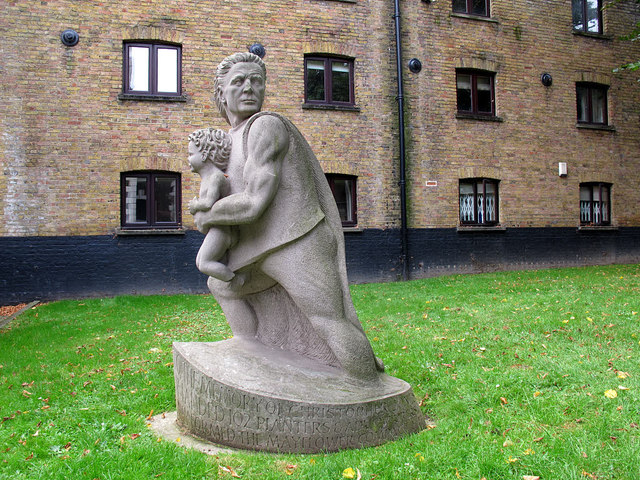
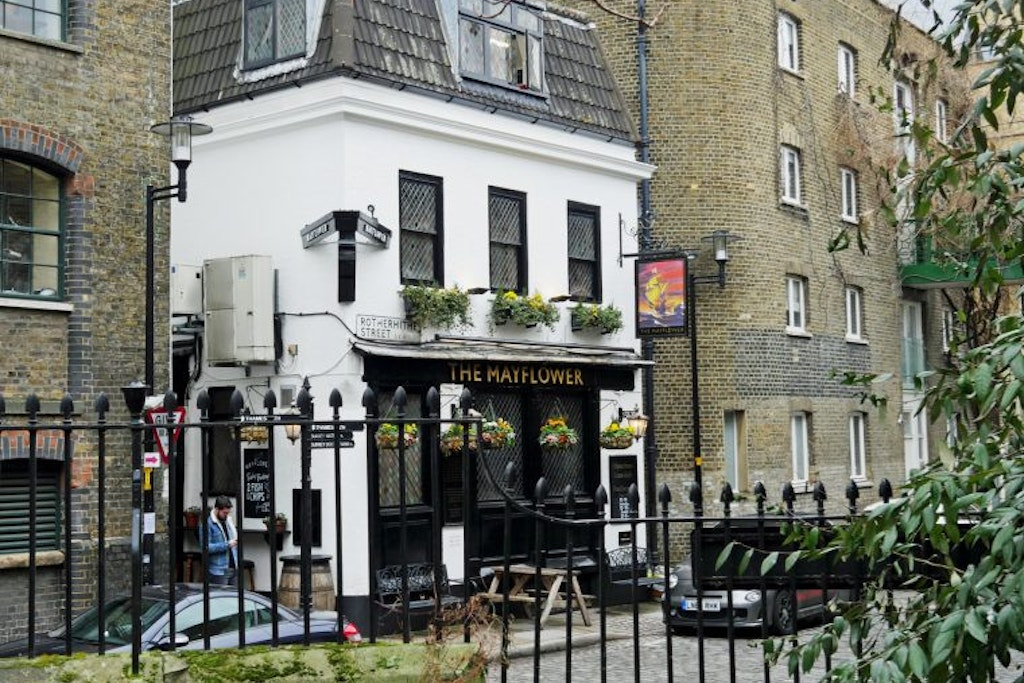
Rotherhithe attracts quite a lot of tourists these days. I was having lunch in The Mayflower on Saturday and I heard many more American voices than English ones. I suppose it’s not that surprising. The views of the Thames from here are pretty and it’s a pleasure to stroll along the cobbled streets looking at sights such as the church of St. Mary The Virgin, the Brunel Museum, and the Norwegian Church. For U.S. visitors, of course, the appeal is even more obvious. The Mayflower, the ship that carried the Pilgrim fathers, set sail from Rotherhithe and its captain lived and died in Rotherhithe. A statue commemorating him can be found in St. Mary’s churchyard. After all that local history, you may feel, as I did, the need to settle in to one of the comfortable seats in The Mayflower pub and enjoy some excellent food and local beer. If so, give in to the temptation. You won’t be sorry.

Tokyo Express

Seicho Matsumoto was forty years old when his first book was published. He may have been a slow starter, but by the time he died in 1992 his work had won multiple prizes and he had become widely recognized as Japan’s leading crime writer, earning the somewhat dubious and patronizing tribute from Le Monde, “The Simenon of Japan”.

Tokyo Express first appeared in Japan in 1958. The plot is straightforward and has none of the trickery and deliberate complexity that spoils so many detective stories these days. A Tokyo police officer investigates an apparent double suicide on a remote beach in the south of Japan. The country’s railway timetables play a big part in piecing together what really happened. The whole story has a charm that is difficult to describe. The elegant design of the novel was what drew Tokyo Express to my attention, but it was Matsumoto’s storytelling style that held my attention until the final page.

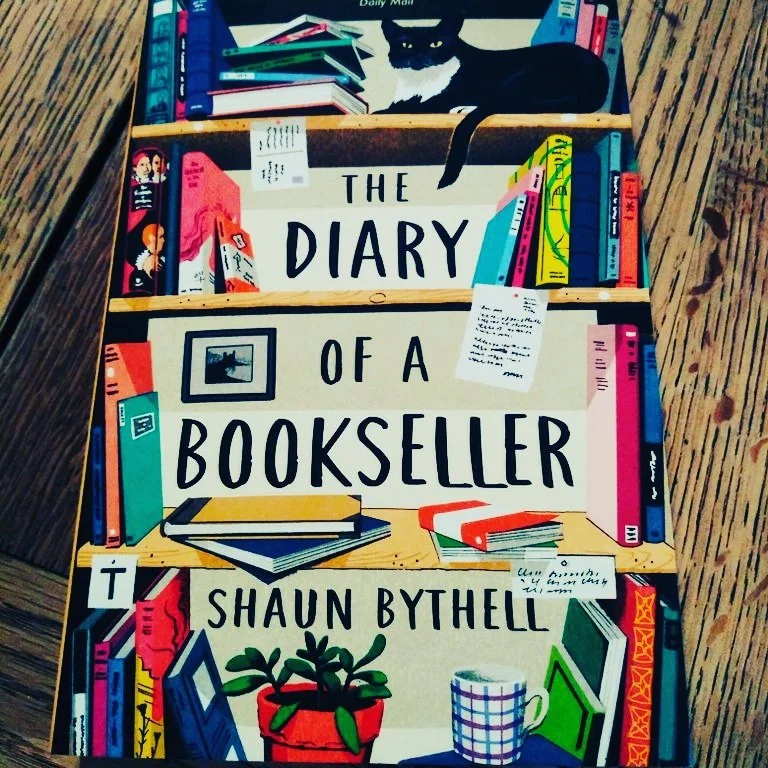
The Diary of a Bookseller

I bought this book in one of the few bookshops left in Singapore. Kinokuniya is a large, modern chain store located in one of the many upscale malls on Orchard Road. It could hardly be further in style from the The Book Shop, a rambling used book store in Wigtown, a small town in a little known part of Scotland. The Book Shop’s owner, Shaun Bythell, decided to keep a journal for roughly a year, beginning in 2014.

Bookselling isn’t for everyone. Used and rare bookselling suits even fewer people, which may be just as well because the trade, at least in its traditional form, is dying. Any romantic image that might still cling to it will most likely be dispelled by anyone who reads The Diary of a Bookseller. It’s not just the low earnings (Bythell records daily sales with every diary entry) or that rampaging and competing behemoth, Amazon. If those don’t kill a bookseller’s passion, the browsing public most likely will. There seems to be something about used bookshops that attracts the mad, the stupid, and the miserly.

It’s a great credit to Bythell (and his eccentric band of helpers) that he has persevered and built a celebrated and successful business. Not one that has made him rich perhaps, but one that has given him, at least intermittently, a kind of perverse satisfaction. A sense of humor and an eye for the absurd must help. This is a book rich in hilarious anecdotes and one that made me laugh out loud several times. The world needs more Shaun Bythells and more shops like the one he has nurtured in Scotland. Singapore certainly does.

Old God’s Time

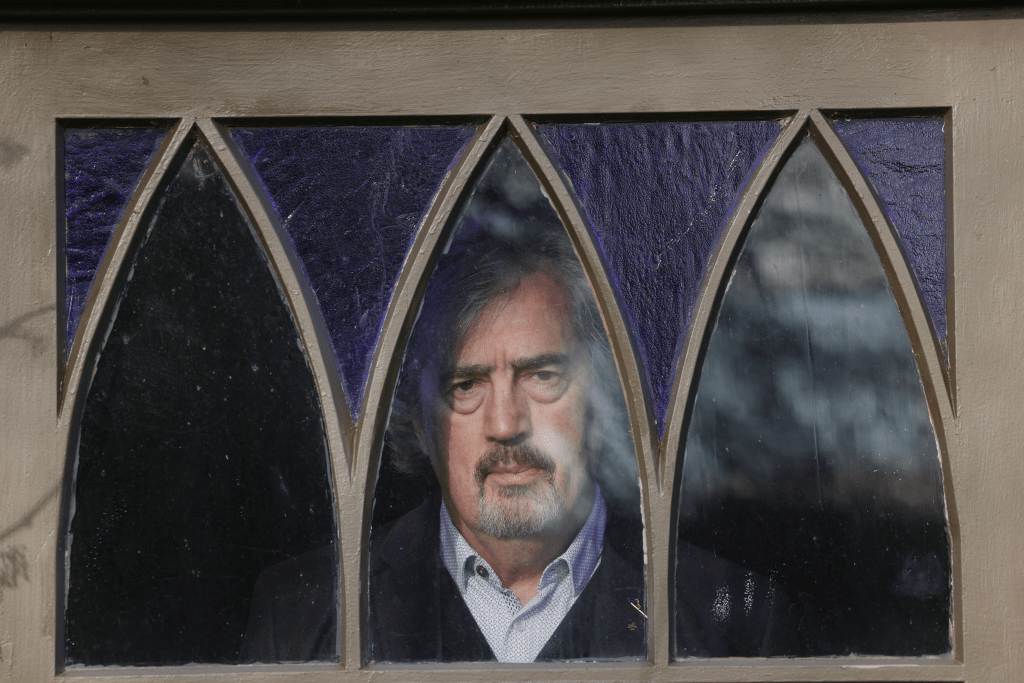
I seem to be on something of a winning streak as far as reading novels is concerned. After Andrew Miller’s wonderful work comes Sebastian Barry’s latest, Old God’s Time. Its central character, Tom Kettle, is living in quiet retirement after a career as a Dublin detective. He spends his days pottering around a small apartment overlooking the sea, but his peace is broken when two of his former colleagues come knocking on his door ….

My summary makes the novel sound like a thriller, but it isn’t, at least not in the conventional sense. There may be deaths, one of them a murder, intrigue, suspicion, and a few policemen, but Barry has more in his sights than conventional clever plotting. Tom Kettle has memories and secrets, some of them shocking and tragic, and the arrival of the detectives uncovers the very worst of them. This is a novel about aging and about the ties that bind a family. It’s about memories, fantasies, stories, and the differences between them. Because it’s by Sebastian Barry, it’s written beautifully, infused with a poignancy, tolerance, and compassion that is typical of his work. Nobody who loves fiction and wants to see a master at work should miss this book.

Frank Auerbach: The Sitters

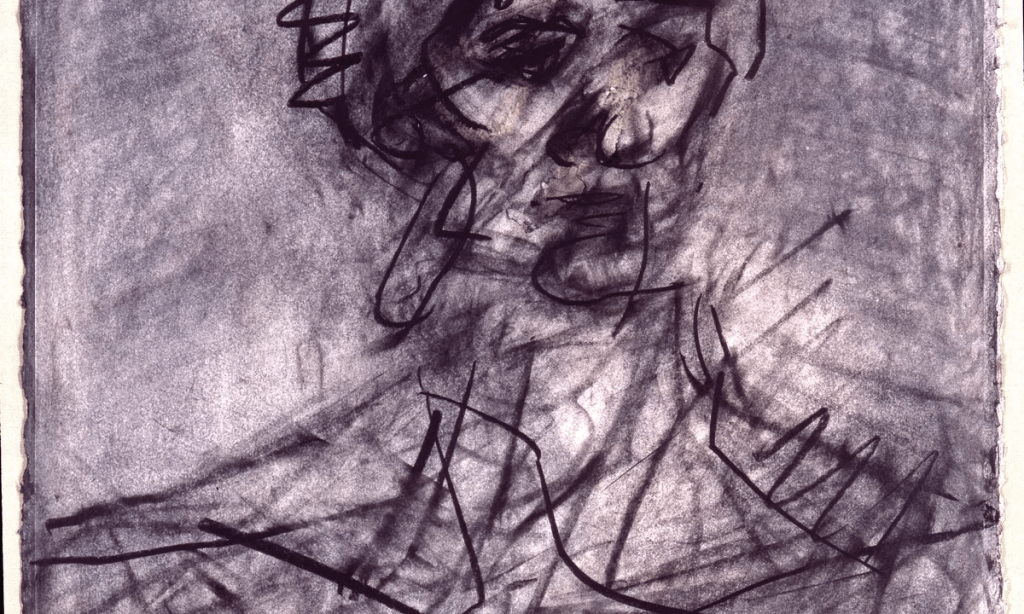
I take the view (and I am not alone in this) that Frank Auerbach is our greatest living painter. He has been based for decades in the same studio in Mornington Crescent, and has painted throughout that time the neighborhood in which I grew up. They are demanding works. There is nothing easy about them. Canvases thickly layered in paint, almost sticky, challenging you to see what you think you know and recognize in a new way. Sinewy, tough, uncompromising pictures that I love without knowing why.

He is also a brilliant portrait painter. Much like his old friend, Lucian Freud, Auerbach has painted a small number of friends over and over again and over many decades. There is an intimacy to the portraits and sometimes great tenderness. Again, they are not always easy, but they are often wonderful and affecting.

I could not resist this recently published collection of the portraits when I saw it on the tables at Hatchards. I was tempted to snap it up immediately until a bookseller told me that a small number of copies signed by Auerbach would be available soon. I waited patiently and was rewarded after a few weeks. His paintings sell for millions, but at least I have this beautifully produced book signed by one of my favorite artists.