Norwegian Wood

Norwegian Wood is the novel that propelled Murakami from being a popular storyteller to a global phenomenon. Such was the fame he attracted in Japan after it was published in 1987 that he had to leave the country, choosing to live in Europe and the US until 1995. Although I’ve read many of his novels and stories, Norwegian Wood passed me by until I saw it in a bookshop in Heathrow airport as I was browsing for something to read on a flight.

It’s not difficult to see its appeal or understand its charm. It’s a simple enough love story, though one marked by great sadness, lived by young and attractive people in Tokyo in the late 1960s. It has none of the self-conscious trickery that marks Murakami’s later fiction. It’s a story told plainly and without affectation, with the innocence and idealism of the characters coming through clearly and directly. More than thirty years after it was first published, Norwegian Wood remains fresh and vivid. It’s easy to see how it established the reputation of a writer who went on to become one of the greatest novelists working today.
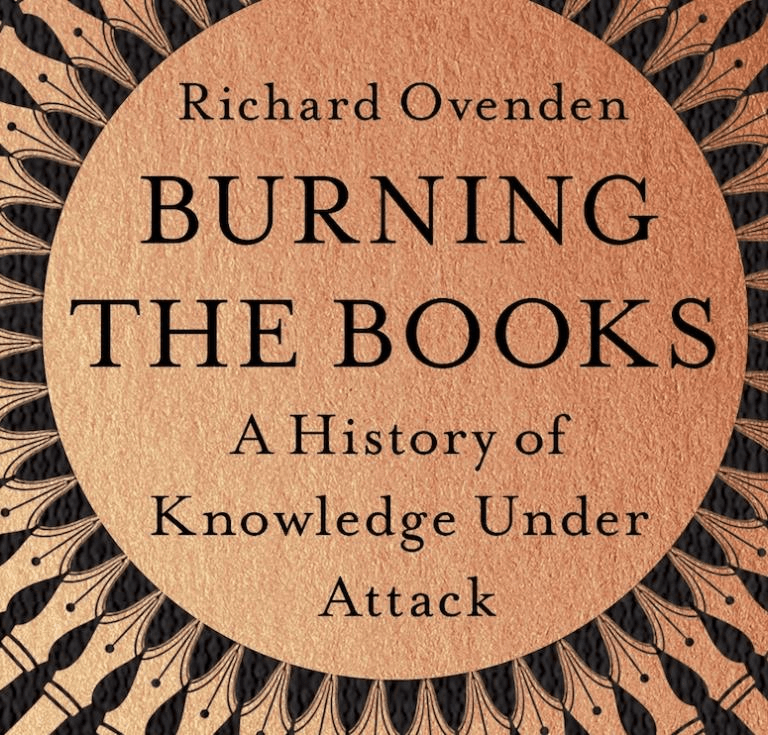
Burning the Books

Both the title and the sub-title of Richard Ovenden’s fascinating book – Burning the books: a history of knowledge under attack – are somewhat misleading, because his story is as much about the heroic contribution libraries and archives have made to protect and preserve knowledge as it is about willful and systematic efforts to destroy it. No matter. There’s plenty here for those wanting to know about the destruction of the great library at Alexandria, the fate of England’s libraries following Henry VIII’s dissolution of the monasteries, and the book-burning orgies of the Nazi regime. There’s also much about writers (Franz Kafka, Philip Larkin, Virgil) who wanted to see parts of their own works destroyed, and the executors and friends who (sometimes) defied their wishes.

It’s a tale with plenty of villains, of course. The forces , for example, who deliberately targeted the destruction of the National and University Library of Bosnia in 1992 deserve a special place in any record of infamy dedicated to cultural vandalism. There are heroes, too, and Ovenden is right to celebrate the librarians, archivists, scholars, and collectors who risked so much to protect the precious artifacts in their possession.

Ovenden, who is currently Bodley’s Librarian at the University of Oxford, has written an engaging and approachable work, and has achieved that rare thing of leaving the reader wanting to know more.