
How does one live a life that is authentically one’s own, free from all the constraints imposed by upbringing, social class, and convention? When the pressure to be “normal” and “reasonable” seems overwhelming, what responsibilities does one have to passion and to the longing to break free? Such questions, as perennial as they are, seem to be felt more deeply and sharply at those inflection points in history when society, for a brief moment, seems determined to abandon slow, gradual evolution in favor of a more sudden rupture, a more decisive separation from the old ways.
England in the 1960s was such a time. With their music, their clothes, and their language, young people proclaimed loudly they wanted nothing to do with what came before. The wars, the famines, the class divisions; all these would pass away just as soon as the old men in suits gave way to their children. The children grew up (as they tend to do), started their own wars and famines (as they tend to do), and got busy destroying the planet, but for a brief moment some found themselves in no man’s land with decisions to make. Move forward or stay still. Suburb or city, tradition or rebellion, old or young?
Phyllis Fischer, neither rich nor poor, not yet old but no longer young, lives in the London suburbs, keeping a tidy house, taking care of her husband (someone frightfully clever in the Foreign Office), and raising two young children. The Fischers have lived in Cairo but are now contentedly and quietly entombed in that borderland between city and country. Everyone knows how to behave. Everyone knows what is expected, until Nicky, the son of family friends, comes for dinner.
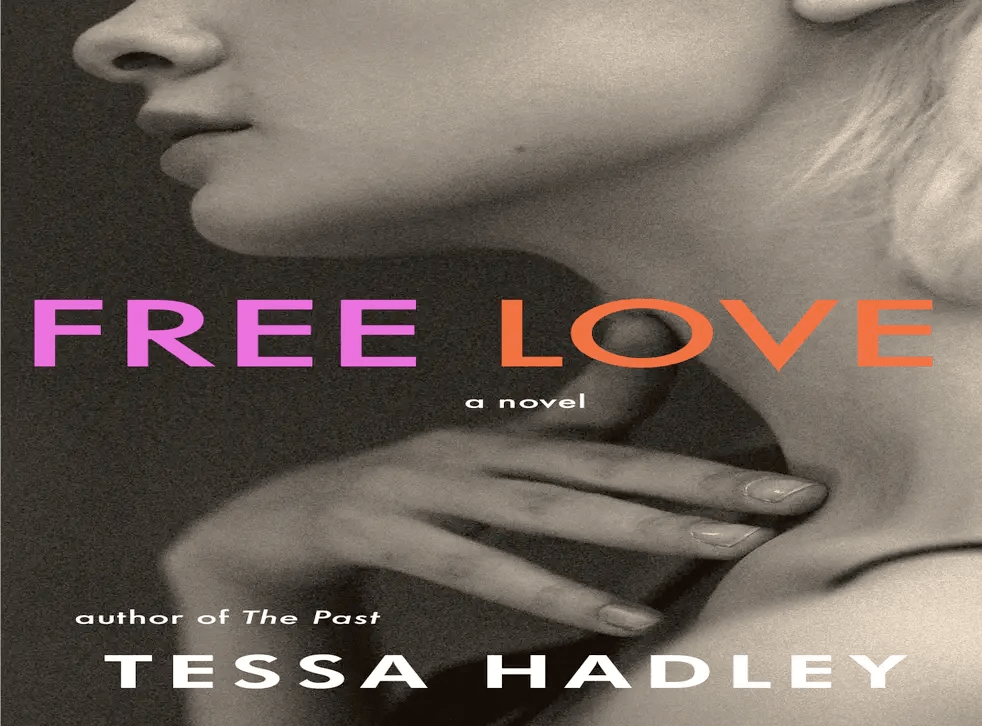
I have written here several times of my admiration of Tessa Hadley’s novels. I can think of very few writers for whose new work I wait so expectantly, so it took a lot of will power not to put everything else on hold when Free Love arrived on my doorstep (thanks to a friend at HarperCollins US). Deferred gratification has its own powerful appeal, so I decided to save the novel for a long flight when I would be free of distractions and duties and I could focus properly on devouring a work I knew I would enjoy. Hadley never disappoints; Free Love is a wonderful novel and enhances Hadley’s reputation as an especially insightful, compassionate, and humane writer.
 Miscellaneous Musings