I showed up at 8am, appointment card in hand, just as the doors were opening. Everything was efficiency and briskness. Men and women from the National Guard, every one of them solicitous and polite, were there in large numbers to handle the formalities and steer us towards the smiling nurses. By 8:17am I was vaccinated, had my sticker, and was heading back to my car. Ten dollars for parking. When did NYC become so reasonable and easy?
Will anything change now that I have my Covid-19 vaccination? No and yes. No because it will take many months before we see the kinds of numbers being vaccinated that will propel a real change in how I live. Yes because that tiny jab in the arm injected me with something more than a vaccine, a little bit of hope that the end might just be in sight.
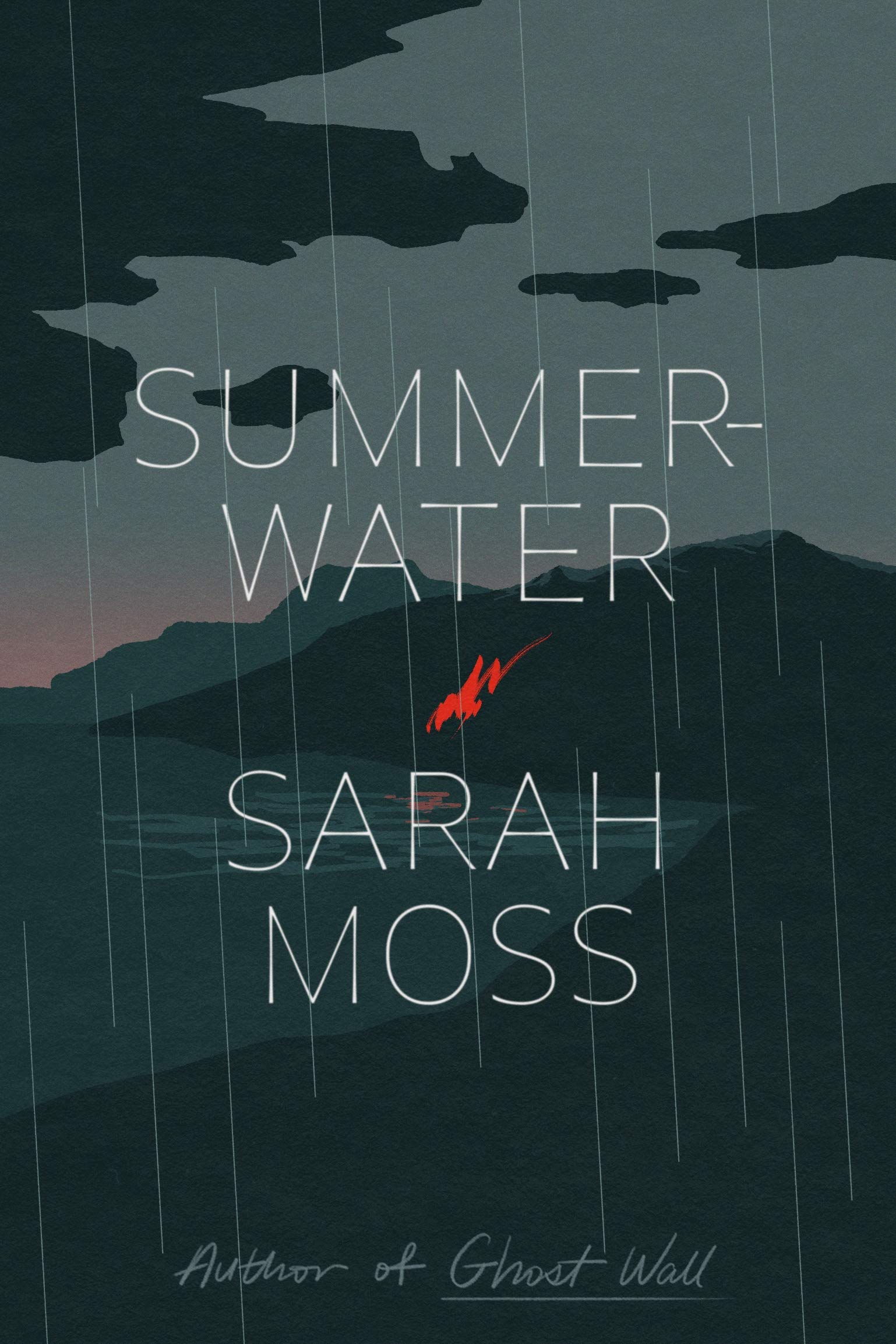
More than two years have passed since I read Sarah Moss’s Ghost Wall, but its atmosphere of oppression and menace has lingered. Similar eeriness seeps from her newest novel, Summerwater. Set in a remote holiday camp in Scotland, Summerwater is the account of a single rainy day seen through the eyes not only of the visitors but of the animals and birds nearby. No one writes quite like Sarah Moss. She’s wonderful at narrating people’s inner lives – and especially the continuous monologue in their heads – in a way that feels authentic. She’s brilliant, too, at depicting family life, its tensions, alliances, and tiny fractures, and is as sure-footed with children as she is with adults.
Summerwater is a very special novel. Truthful, honest, and unsettling, it seems to me to confirm Moss as one of the most distinctive and talented novelists writing today.
January 7th 2015 started much like any other day for Philippe Lançon. He got up, took a shower, made coffee, replied to a few emails, exercised, and cycled to work. At around 11:30 he was sitting in a meeting when two gunmen walked into the conference room and murdered ten people. Lançon was shot in the face and was one of the few to survive what Wikipedia rather blandly calls the “Charlie Hebdo shooting”. Even the sudden intrusion of violent death didn’t immediately disrupt the banal routine of an otherwise typical day. Lying in his own blood on the meeting room floor and staring at the bodies of his dead colleagues, Lançon thought about work deadlines, making sure he had his phone, and keeping his backpack close.
I was about to write that Disturbance is Lançon’s account of his recovery, but it isn’t because recovery is meaningless in the context of his experiences. Let’s just say Disturbance is about what happened next. The surgeries to re-build his face, the long stay in hospital, the reactions of loved ones, and so much more, some of it woven around memories of his earlier life: books read, articles written, music heard, and places visited. Lançon would be forgiven some measure of self-pity in the circumstances, but there’s not a trace of it in Disturbance. He despises the sickly, attention-seeking sentimentality of American “victim memoirs”. Like the good journalist he is, he focuses his sharp eyes on what matters, caring not at all what the reader might feel about him. For Lançon, what matters is to be a truthful witness of events. Others can and will interpret and pass judgement, but Lançon witnessed, suffered, and remained. And reported for those who couldn’t and never will.



 Miscellaneous Musings