
Many friends, all of them devoted readers, have told me how difficult they have found it to read during the months of the pandemic. I know how they feel. I haven’t abandoned reading but I have found it requires more effort to pick up a book and to persevere with it than at any time in my life that I can remember. Every part of everyone’s routine has been upended by the virus, so it’s hardly surprising that reading should be disrupted, but it feels like concentration itself has been infected and with it the steady calmness on which it depends.
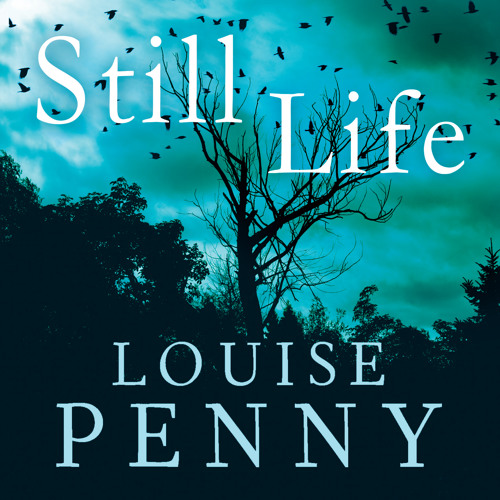
The cure to a “reading drought” is sometimes simple: find a book so compelling and a story so well told that you feel drawn back to it irresistably. That was the recommendation I was given recently by a good friend just before she introduced me to the novels of Louise Penny. Since finishing Still Life I’ve recommended it to lots of friends only to discover that everyone knows Penny’s work (except me, it seems).
Much like Susan Hill and her Serrailler series or P.D. James and her many Dalgleish novels, the appeal of Still Life centers on the allure of a charismatic, flawed, and brilliant detective (in this case Armand Gamache of the Quebec murder squad). Gamache shows up in a small, pretty village in the Eastern Townships to investigate the death of a much loved, retired schoolteacher who seems at first sight to be the victim of a hunting accident. Needless to say, nothing is quite as it first appears …
Still Life doesn’t have the most plausible of plots and it lacks the twists and turns that delight those readers who love to have their brains twisted. What it lacks in intricacy, it more than makes up for with charm. And, more than anything, it has that quality that defines a great mystery writer: compassion for people and their all-too-human foibles and failings. I bought the next two books in the Gamache series, so Still Life must have worked its magic and broke my reading drought.
 Miscellaneous Musings