The simple premise of this slim book is that a manuscript donated to Corpus Christi College (Cambridge) by Matthew Parker, Archbishop of Canterbury in the mid-16th century, is the Psalter of St. Alphege and was in the possession of Thomas Becket when he was martyred in Canterbury Cathedral in December 1170. Christopher de Hamel, academic librarian and manuscript expert, makes the case in this fascinating historical detective story. As we approach the 850th anniversary of Becket’s death, this delightful book provides a compelling introduction to readers unfamiliar with his remarkable life and even more remarkable times.
When I arrived recently in the UK for the first time in six months, it coincided with warnings from the government there that the introduction of a further nationwide lock-down might be unavoidable because of rising Covid-19 infections across the country. Regional restrictions, mostly in the north of England, were already in place. I was intrigued to understand better why that was the case.
JFK airport had been almost empty when I left New York and there had been fewer than fifty passengers on my flight to London. Touching down at Heathrow, things seemed largely familiar. Everyone – passengers and airport staff – were wearing masks. It was only after driving to Canterbury that big differences started to be apparent. Walking around the ancient city that afternoon, I was shocked to find myself almost the only person wearing a mask on the street. Mask-wearing in shops and supermarkets was ubiquitous, but the moment those same, apparently careful people stopped shopping, they discarded their masks. Restaurants, pubs, and coffee shops – all very busy – had complied with social distancing rules imposed by the government – but no one was wearing masks while they ordered and waited for their food. Completely different from my experience during the past six months in NY where everyone wears a mask all the time in public.
I looked for some explanation and found none. Some I spoke to pointed to the low levels of infection in Kent, but I’ve heard from friends in other parts of the UK that mask-wearing, other than in stores, is uncommon all over the country, even in regions and cities where rates of infection are high. What’s going on? Pandemic fatigue? Perceived invulnerability among the young and healthy? I’ve no idea, but it’s making me anxious. At this rate it’s going to be a hard winter for the UK.
Many friends, all of them devoted readers, have told me how difficult they have found it to read during the months of the pandemic. I know how they feel. I haven’t abandoned reading but I have found it requires more effort to pick up a book and to persevere with it than at any time in my life that I can remember. Every part of everyone’s routine has been upended by the virus, so it’s hardly surprising that reading should be disrupted, but it feels like concentration itself has been infected and with it the steady calmness on which it depends.
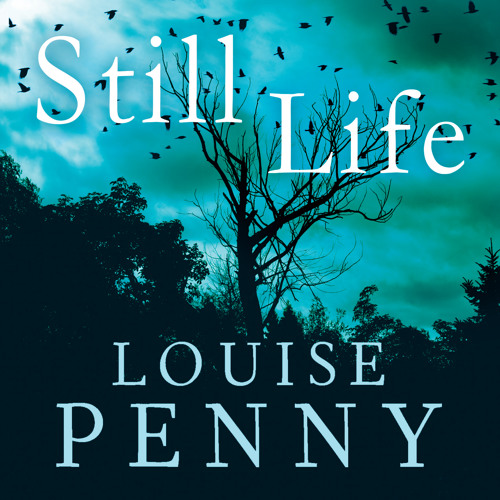
The cure to a “reading drought” is sometimes simple: find a book so compelling and a story so well told that you feel drawn back to it irresistably. That was the recommendation I was given recently by a good friend just before she introduced me to the novels of Louise Penny. Since finishing Still Life I’ve recommended it to lots of friends only to discover that everyone knows Penny’s work (except me, it seems).
Much like Susan Hill and her Serrailler series or P.D. James and her many Dalgleish novels, the appeal of Still Life centers on the allure of a charismatic, flawed, and brilliant detective (in this case Armand Gamache of the Quebec murder squad). Gamache shows up in a small, pretty village in the Eastern Townships to investigate the death of a much loved, retired schoolteacher who seems at first sight to be the victim of a hunting accident. Needless to say, nothing is quite as it first appears …
Still Life doesn’t have the most plausible of plots and it lacks the twists and turns that delight those readers who love to have their brains twisted. What it lacks in intricacy, it more than makes up for with charm. And, more than anything, it has that quality that defines a great mystery writer: compassion for people and their all-too-human foibles and failings. I bought the next two books in the Gamache series, so Still Life must have worked its magic and broke my reading drought.



 Miscellaneous Musings