
I have wanted to see Beirut for a very long time. It always seemed to me to be one of those places people told stories about. Stories of a lost golden age when it was “the Paris of the Middle East”, a city where French and Arab cultures met and mixed. In recent years people have told less glamorous stories about Beirut. The civil war that ravaged Lebanon from 1975 to 1990 and the city’s past association with violent extremism gave (and still give) to Beirut a whiff of danger that it finds hard to eradicate. Perhaps it was no surprise that I felt both excited and anxious when I boarded the short flight from Amman recently.
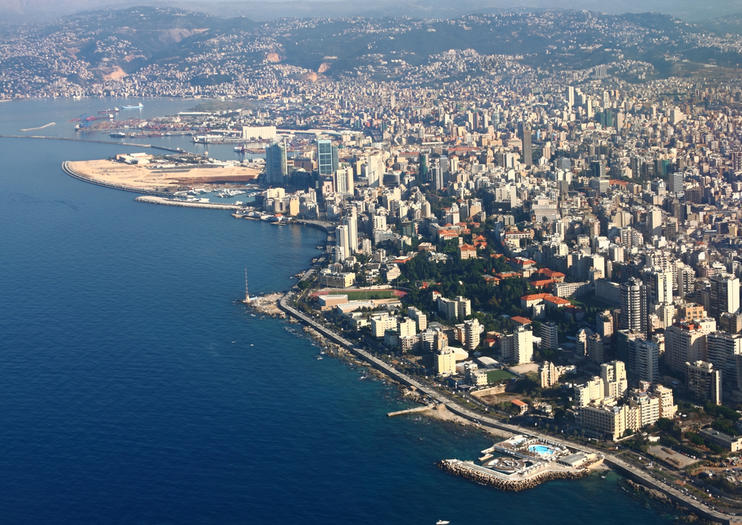
After crisscrossing Beirut for two days, I left feeling overwhelmed by its contrasts. There’s certainly no shortage of sophistication and chic. The downtown souks, the luxury car showrooms, the fancy restaurants at Raouché, speak of an affluence that only a tiny number of Beirutis can enjoy. The refugee camp in Chatila, not far from the airport, tells a different story. The city’s Armenian neighborhood, Bourj Hammoud, with its narrow, crowded streets lined with jewellery stores are a short drive from Verdun and its American-style malls. Checkpoints that slow the traffic to a crawl alert you as you enter areas controlled by Hezbollah. Buildings hollowed out by war, their masonry pitted by bullets, can be seen everywhere, reminders of not-so-distant conflict and symbols of what could happen again all too easily.
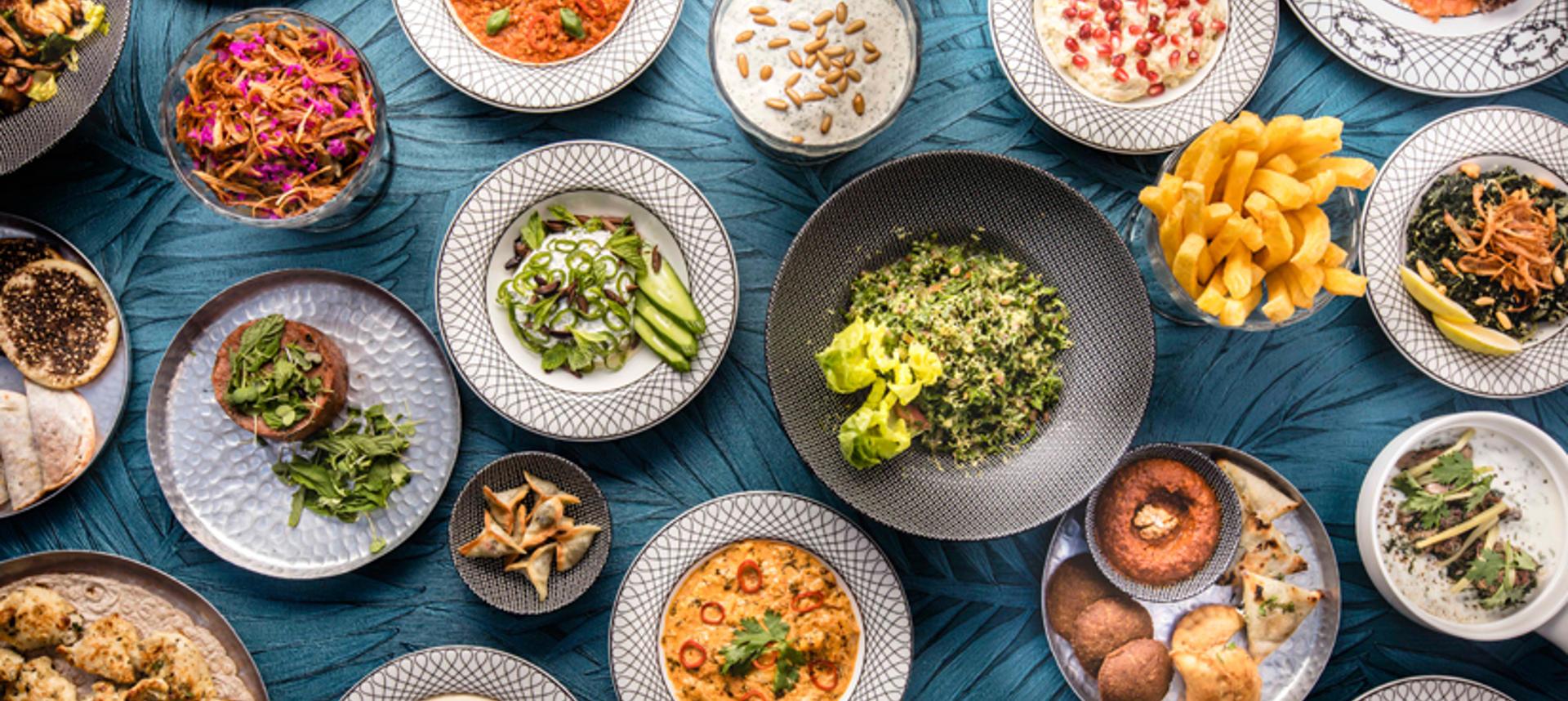
The Beirutis I met, so generous and welcoming, so delighted to see foreigners in their city, wanted to talk about things that matter. Memories of the civil war, fears of future conflict in the region, the co-existence of Druze, Shia, Sunni, and Christians in their small, crowded country: these were the topics of conversation as they loaded my plate with the wonderful dishes for which Lebanon is famous. The Lebanese I met, many with deep connections to far-off places such as France and Canada, all spoke of a deep love of their homeland and of a real sadness about what it has suffered in recent times.
I’m told visitors are coming back to Lebanon, drawn by the same stories I’d heard and by the chance to see wonders such as Jeita grotto, Baalbek and the Cedars of God. The numbers are small, most likely because of the savage conflict in neighboring Syria and the political tension that never seems to loosen its grip on the region. I can’t wait to return for a longer stay.
 Miscellaneous Musings