The Lying Room

Image result for nicci french lying room

I had been wading slowly and somewhat joylessly through a complex and dense novel (more about that later) when I decided I needed something different to read. Something lighter and more accessible, something that felt less like duty.  Nicci French (the husband and wife team responsible for, among other things, the Frieda Klein series of mystery novels) had just published a standalone story called The Lying Room.  That would do nicely, I thought, and I was right.

Neve Connolly shows up at her lover’s apartment in London only to find him brutally and recently murdered. She sets about cleaning and tidying the place with no other thought than to remove evidence of the affair, fearing what it would do to her family if it’s exposed. But Neve isn’t the only one with something to hide ….

Good mystery writers are no different from good writers working in any other genre. The best share a fascination with human behavior and motivation and are skilled at creating a fictional world in which to study such things.  Nicci French is especially good at ordinary relationships – spouses, partners, friends, siblings, and colleagues – and at understanding the tensions, complexities, loyalties and falsehoods that hold them together, whether out in the open or hidden below the surface. S/he is also exceptionally good at domestic detail; the family dinners and outings, the work meetings, and the college reunions. In other words, the commonplace. Parts of the plot of The Lying Room might stretch credulity, but never the characters.  They’re very well drawn and are entirely believable. The novel overall was a delight. Now it’s time to get back to the other one.


The Cockroach

Image result for mcewan cockroach

Just like tens of millions of other Britons, Ian McEwan is angry about Brexit. Anger, controlled and focused, is a necessary ingredient for good satire.  Neatly reversing Kafka’s famous story, McEwan’s latest book opens with a cockroach waking from sleep to discover it has been transformed into a man. And not just any man, but the Prime Minister of the United Kingdom of Great Britain and Northern Ireland tasked with delivering “Reversalism”.

Early reviews of the novella, many of them po-faced, seem to me to have missed the point entirely.  The Cockroach is satire, suffused with anger and hot from McEwan’s keyboard. It’s not subtle, but it’s not supposed to be. It’s occasionally very funny, but its purpose isn’t to make us laugh. It’s not “balanced”; it has no interest in demonstrating any understanding of, or sympathy for, the motives of those who support leaving the EU. McEwan’s fictional cockroaches are ruthless, cruel, vindictive and, most of all, completely without principle.  Any resemblance to actual cockroaches, living or dead, is entirely coincidental.

Jeita Grotto

Image result for jeita grotto

Very few tourists go to Lebanon, so it was hardly surprising that I was one of only a handful of visitors to Jeita Grotto recently.  The grotto (Jeita means “roaring water” in Aramaic) is on the outskirts of Beirut and comprises two separate but interconnected limestone caves. Access to the upper chamber is via a short cable car ride after which a specially constructed pedestrian walkway takes you to the cave. The lower chamber can only be explored by boat (and is sometimes inaccessible when the water levels rise).

I had read nothing about the grotto before my visit, so I was unprepared for its beauty and grandeur. Nature and time have crafted a unique monument, a vast limestone artwork, a living sculpture of fantastical shapes – all illuminated to show it at its finest. No pictures are allowed (cell phones and cameras have to be deposited at the entrance); a sensible policy that somehow enhances the natural silence of the place and deepens a visitor’s sense of wonder. (Other attractions ought to adopt this approach).

Jeita is a hidden, subterranean jewel, a place made all the more remote by Lebanon’s troubled recent history.  Don’t miss it if you find yourself in that part of the world.

48 Hours in Beirut

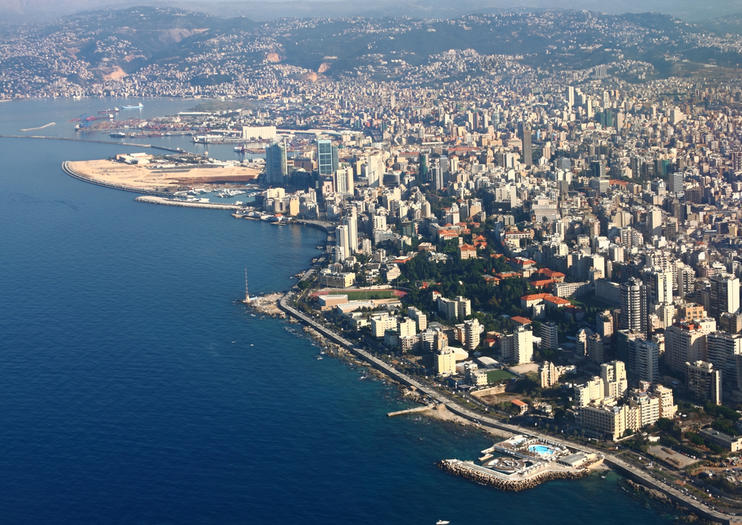
I have wanted to see Beirut for a very long time.  It always seemed to me to be one of those places people told stories about.  Stories of a lost golden age when it was “the Paris of the Middle East”, a city where French and Arab cultures met and mixed. In recent years people have told less glamorous stories about Beirut. The civil war that ravaged Lebanon from 1975 to 1990 and the city’s past association with violent extremism gave (and still give) to Beirut a whiff of danger that it finds hard to eradicate. Perhaps it was no surprise that I felt both excited and anxious when I boarded the short flight from Amman recently.

Image result for beirut 2019

After crisscrossing Beirut for two days, I left feeling overwhelmed by its contrasts. There’s certainly no shortage of sophistication and chic. The downtown souks, the luxury car showrooms, the fancy restaurants at Raouché, speak of an affluence that only a tiny number of Beirutis can enjoy.  The refugee camp in Chatila, not far from the airport, tells a different story. The city’s Armenian neighborhood, Bourj Hammoud, with its narrow, crowded streets lined with jewellery stores are a short drive from Verdun and its American-style malls. Checkpoints that slow the traffic to a crawl alert you as you enter areas controlled by Hezbollah. Buildings hollowed out by war, their masonry pitted by bullets, can be seen everywhere, reminders of not-so-distant conflict and symbols of what could happen again all too easily.

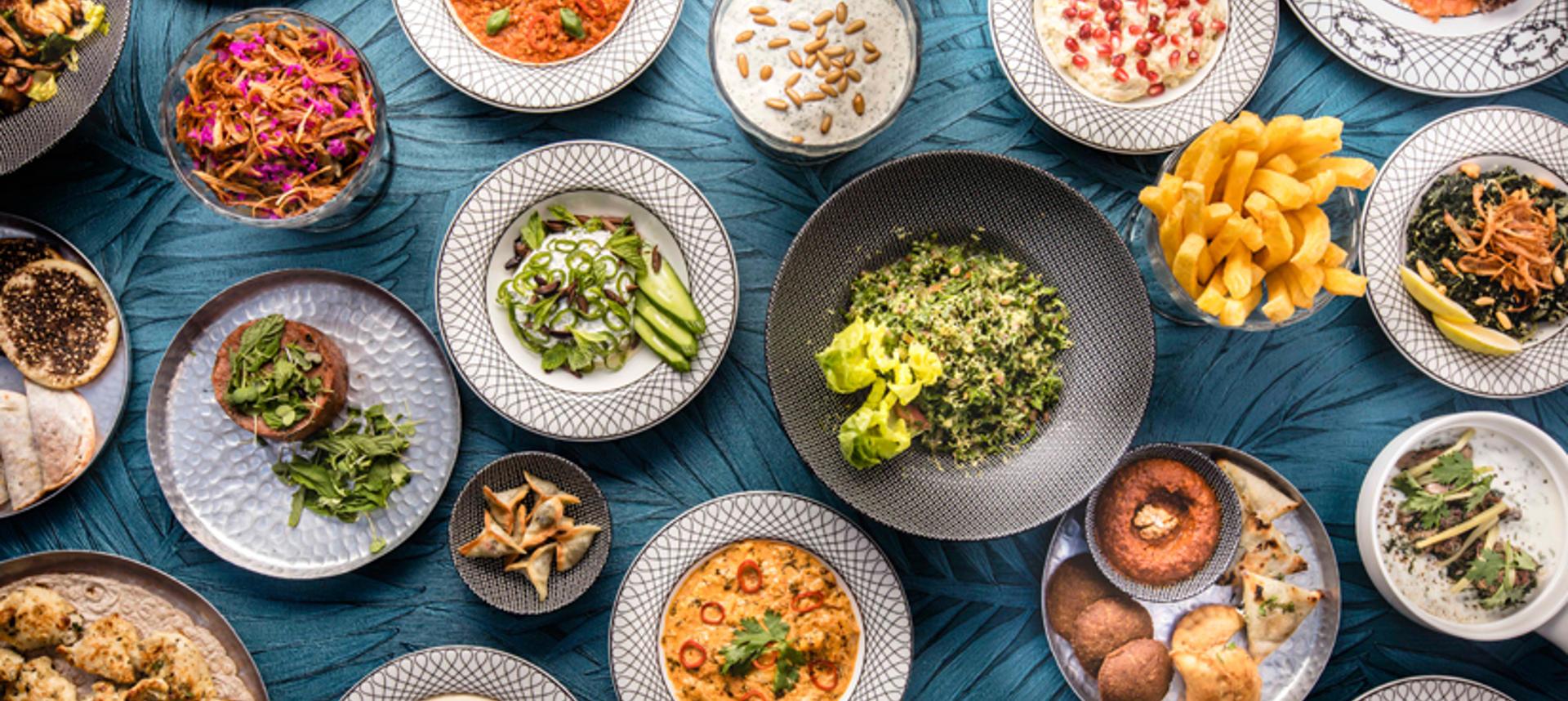
The Beirutis I met, so generous and welcoming, so delighted to see foreigners in their city, wanted to talk about things that matter. Memories of the civil war, fears of future conflict in the region, the co-existence of Druze, Shia, Sunni, and Christians in their small, crowded country: these were the topics of conversation as they loaded my plate with the wonderful dishes for which Lebanon is famous. The Lebanese I met, many with deep connections to far-off places such as France and Canada, all spoke of a deep love of their homeland and of a real sadness about what it has suffered in recent times.

I’m told visitors are coming back to Lebanon, drawn by the same stories I’d heard and by the chance to see wonders such as Jeita grotto, Baalbek and the Cedars of God. The numbers are small, most likely because of the savage conflict in neighboring Syria and the political tension that never seems to loosen its grip on the region. I can’t wait to return for a longer stay.

Image result for em sherif beirut