
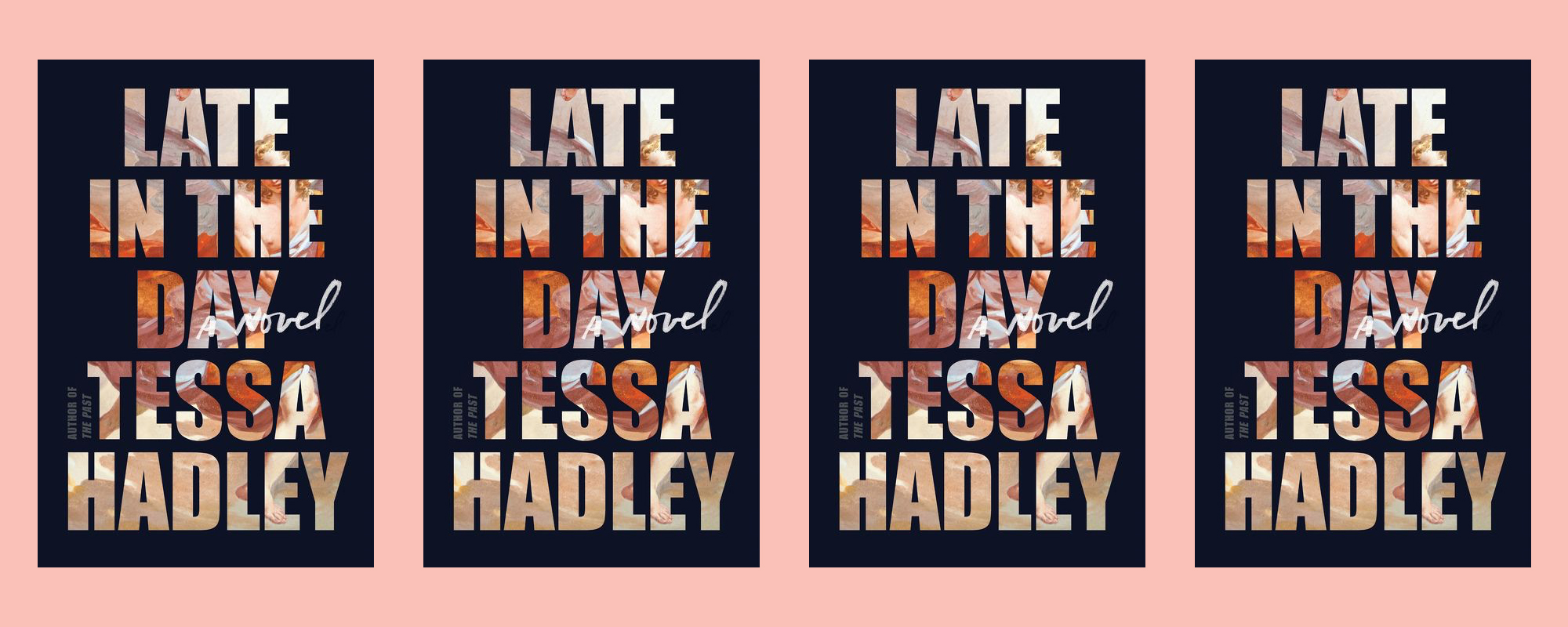
I loved every word of this beautiful, sensitive, and quietly disruptive novel. I read the first hundred pages or so before putting it aside for two weeks. Coming back to it, I remembered reading those early pages slowly and carefully and finding myself being drawn in by the power of both the story and the storytelling. The temptation to gulp down the book quickly and greedily was something I wanted to resist. I knew the rest of the novel deserved the attentiveness I’d given to the early pages and intuited that I’d get more if I took a break and returned to it later for an equally careful reading.
On its flawless surface, Late in the Day seems to be one of those quintessentially English novels in which intelligent, cultured, and affluent people (people of “bourgeois sensibility with their sadness and subtlety and complicated arrangements“) are captured in a moment of sudden and private grief, a moment in which the complex, densely packed and strong-yet-fragile root structure of their relationships is exposed to view. It also seems to be, again only on the surface, an old-fashioned story, one in which an omniscient narrator stands detached, peering into the lives of the characters she has created, and understanding better than they themselves their motives and destinies.
The novel opens with the sudden death of Zachary, a London-based gallery owner. For his wife, Lydia, his best friend, Alex, and Alex’s wife, Christine, all close friends for decades, the death has the force of an earthquake and aftershocks that will reverberate for a long time.
Tessa Hadley has, I believe, been publishing novels since 2002 but it’s only now that I’ve discovered her books, and come to realize how admired she is, and how much she deserves the admiration. Late in the day indeed, but better late than never.
 Miscellaneous Musings