Iceland Musings

“Accidental incest. It’s a problem here”.  Quite an opening to a conversation, don’t you think?  Sitting at a bar in the center of Reykjavik, I was introduced by a business acquaintance to one of the least expected hazards of living in a country with fewer than 400,000 people and with a long history of isolation from the rest of the world.  Of course, Icelanders, an imaginative and ingenious bunch in my experience, have a solution to the tricky problem of inadvertently propositioning a close relative in a bar: a smartphone app that displays your lineage (back to the 9th century in the case of my acquaintance) and tells you if you’re related to the man or woman to whom you’re attracted.  Clever?  Yes, of course, but Icelanders seem to me like pretty resourceful and pragmatic people, so not a great surprise.

It was De Montherlant who famously wrote “Happiness writes in white ink on a white page“.  He might have said the same thing about beauty because I find it very difficult to describe Iceland. Stunning. Unique. Unforgettable. That just about does it.  Anything more tends to sound trite and unnecessary.  Of all the places I’ve visited, only New Zealand gets close for scenic beauty.  Vivid green, mossy plateaus stretching towards ice-covered mountains, beaches of black sand, stunning waterfalls, and bubbling hot springs: these are the treasures and memories of Iceland.  That app was pretty impressive, too.

Image result for vik iceland

When All Is Said

Sometimes the pleasure of reading fiction is very simple: immersion in a good story skillfully told.  That was certainly true with Anne Griffin’s debut novel, an advance copy of which I was given by a publisher friend in London recently.  He warned me that the story would grab me and not let go, and he was right.  On the long flight home, I wasn’t tempted for a moment to watch movies or take a nap, engrossed as I was in a tale about family, aging, bereavement and love.

Maurice Hannigan, 84 years old, a wealthy Irish farmer and landowner, sits at a hotel bar reminiscing about his life and the five people who made it meaningful, raising a glass to each of them in turn.  Not long widowed, Maurice has set his affairs in order and it’s time for the final reckoning.  Love, loss, greed, and regret: all loom large in Maurice’s long monologue as his memory stretches back through the years.

This is a very assured first novel by an author who’s a natural storyteller.  It won’t win awards; those tend to be in the gift of judges who admire stylistic tricks or linguistic flair.  It will, however, delight readers who love a good tale about the important things in a life.

Image result for old man sitting at a bar

Canterbury

Image result for canterbury cathedral

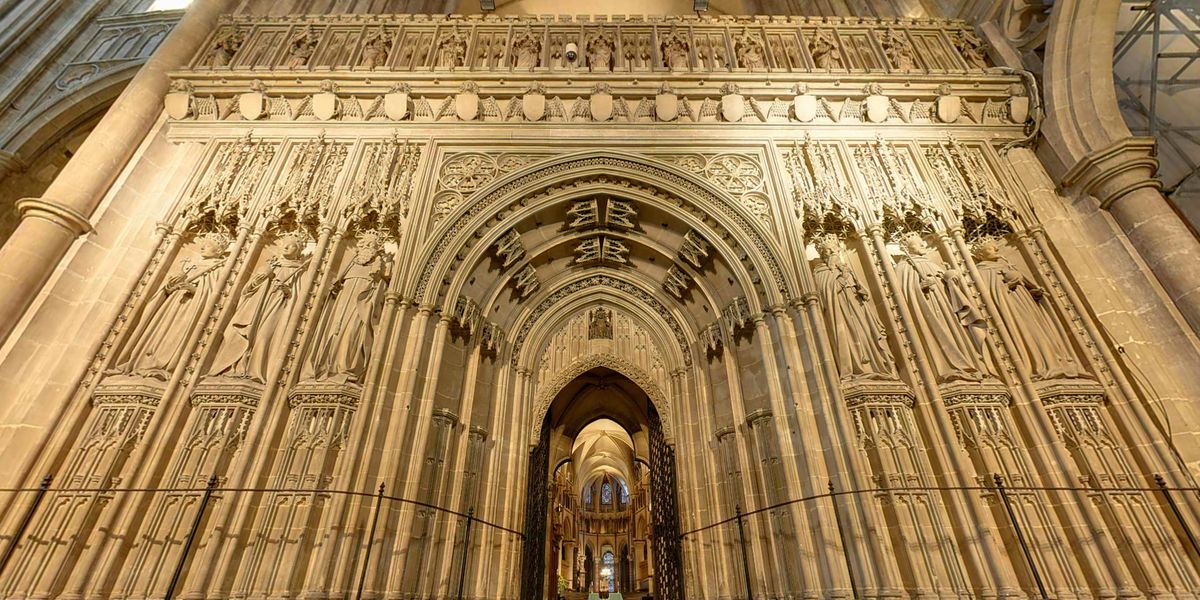
Almost thirty years have passed since I was last in Canterbury.  My memories of the city are few and fuzzy and only the magnificent cathedral stands out clearly when I try to recollect my previous visit.  A lovely late summer weekend of blue skies and warm sunshine was the perfect backdrop for my return recently.

The sheer number of buildings of outstanding historical and architectural importance in Canterbury is remarkable.  The cathedral, a World Heritage site and the mother church of Anglicanism, is, of course, a treasure and one of the most important religious buildings in the world.  I’ll be dedicating a future post to this extraordinarily beautiful and impressive work of art and faith.  It’s the appropriate and stunning starting point for anyone who loves historic buildings but the city has so much more to offer.  Medieval parish churches, ancient city walls (parts of which date to Roman times). and an extraordinary richness of vernacular architecture make Canterbury a place in which history lives and breathes very vividly.  I’m likely to visit many times in the years ahead and I’m already looking forward to what I’ll discover.

Dia:Beacon

Image result for dia beacon

A recent visit to Dia:Beacon, one of several I’ve made in the past ten years, gave me a new appreciation of the art of the curator.  The sheer size of the space poses difficult questions: how to divide the cavernous interior and how to organize the flow between the spaces to navigate visitors around such a diverse collection.  What struck me during my most recent visit was the agility and intelligence of the curators in their management of the space and the exhibits.

The collection itself continues to be an intriguing one.  A significant number of the pieces displayed feel safe and accessible, almost decorative.  There’s an emphasis on color or its absence, for example in the selection of works by Dan Flavin, Anne Truitt, Blinky Palermo and others.  The whole thing can begin to feel like a monument to the safer end of the 20th century canon until demanding individual pieces by the likes of Bruce Nauman suddenly jolt you out of the comfortable familiarity of Richard Serra and On Kawara.

Every visit to Dia:Beacon reminds me of what a treasure it is: the galleries, the space overall, the grounds, and even the first-rate bookstore.  It’s a place with just enough surprises to never feel completely familiar.