
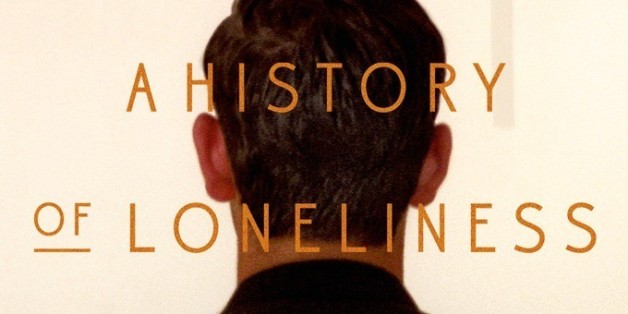
The abuse of children over many decades by Roman Catholic clergy was made possible by many things but the silent complicity of otherwise blameless priests, who knew what their colleagues were doing but failed to report it, was key to its persistence. John Boyne’s novel, set in Ireland, has as its central character one such witness, Father Odran Yates. His crime isn’t the appalling cruelty practiced so relentlessly by other priests or the explicit covering-up by the bishops and cardinals of his church. His sins are hubris and selfishness. His self-regard, bolstered by the reverence accorded to priests over centuries, makes true connections with others impossible. Yates can’t see this, nor what’s unfolding under his slightly upturned nose. Of course, he has his own scars. His father drowns one of his sons and then takes his own life. His mother, embittered by this tragedy and her disappointing marriage, centers all her cloying affection and ambition on her remaining son. Fr. Yates, preoccupied with his own clerical career and haunted by a sad and trivial infatuation with a waitress, sees the signs of persistent abuse in his colleague and friend but fails to act until the devastation is uncovered by others and the evidence is irrefutable.
Boyne’s novel isn’t perfect. The interludes in Rome and Norway, for example, are unconvincing and clumsy. Nevertheless, this is a haunting book. Not for what it uncovers about the cruelty of the abusers or the suffering of the victims; nothing could be more shocking than the official accounts of what happened in those decades. What lingers after closing A History of Loneliness is the tragic confirmation, if confirmation were needed, that the only thing necessary for the triumph of evil is that good people do nothing.
 Miscellaneous Musings