
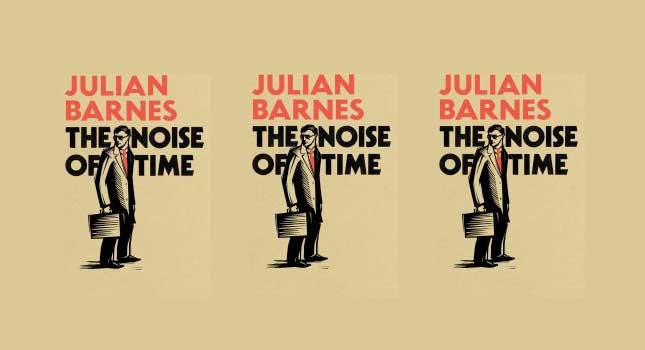
Imagine a regime so powerful, so intrusive, and so cruel that you lived under the constant threat of arrest, detention, interrogation, torture, and death. Now imagine that such things could happen to you without warning, at any time of the day or night, not because you were a politician or activist, but because you were an artist, musician, or writer. Would you be able to sleep, waiting for that knock on the door? Or would you stand ready, dressed with your bag packed, for the fateful call? How far would you go to survive and how much would you bend just to be able to work? And even when the threat of violence had receded, when your fame protected you from physical abuse, how would you live with a regime that had total power to decide if your work was good or bad, permissible or illicit, available or banned? Would you stand up for your artistic principles, risking state-imposed silence, or would you subtly comply with the state’s demands just to be given the opportunity to be heard?
For Dmitri Shostakovitch and many, many others (including Prokofiev, Akhmatova and Solzhenitsyn), these were not theoretical questions, but a daily reality under Stalin’s Soviet Union. Julian Barnes’s new novel, The Noise of Time, imagines three phases of the composer’s life, three symbolic “Conversations with Power”. The first centers on 1936 and the denunciation by the regime of his opera, Lady Macbeth of Mtinsk. The second takes place in 1948 when the composer was compelled to attend the New York Peace Congress in New York and obliged to publicly denounce Stravinsky and others. In the final Conversation with Power, in 1960, after Stalin’s death and the accession of Khrushchev, Shostakovitch was forced into membership of the Soviet Communist Party, something he had resisted his whole life.
Reading The Noise of Time is like listening to an interior monologue or a fearful, anxious soliloquy, never spoken aloud. The subject of that soliloquy is what happens when Art conflicts with Power. What should the artist do in that conflict? Seek to be a hero and risk losing his life and the lives of his loved ones? Or look to survive by hiding, bending, and evading, in the hope that the art he produces will say the things he cannot dare to say in other ways?
 Miscellaneous Musings