
Millions of voices were silenced by the Holocaust, leaving millions of stories untold and millions of memories never shared. The murdered multitude who will never bear witness speak through the testimonies of those who survived and recorded their experiences. The literature of the Holocaust speaks, weeps, and remembers for the millions who will never again speak, weep, or remember. That’s its power. Every elegy, unique in itself, is sung by millions of voices we will otherwise never hear. The soloist is a choir. What’s individual is also communal.
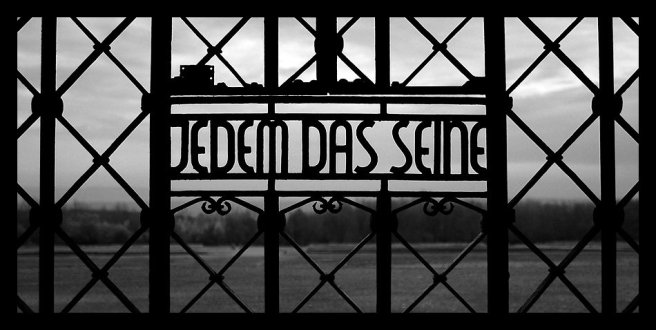
Night is Elie Wiesel’s account of the year he spent as a teenager in Auschwitz-Birkenau and Buchenwald, a year in which he lost his mother, father, and sister to the Nazis’ crematoria. You may have read, as I have, many accounts of those years – the forced marches, the hunger, the beatings, and the systematic extermination of millions of Jews – but nothing can prepare you for Wiesel’s short memoir.
It’s impossible to find the words to describe how powerful, moving and beautiful Night is. It’s a work of art, not just of reportage. It should be read by everyone, preferably in Marion Wiesel’s translation and with Francois Mauriac’s original introduction from 1958. Books such as these can change lives. If we let them. If we reflect and take their message deep inside ourselves. If we do more than mourn and remember, but also take action in a world that has given us and continues to give us so many new horrors: apartheid, countless wars, genocides, and the forced migration of millions of innocent people.
“For the survivor who chooses to testify, it is clear: his duty is to bear witness for the dead and for the living. He has no right to deprive future generations of a past that belongs to our collective memory. To forget would not only be dangerous but offensive: to forget the dead would be akin to killing them a second time.”
 Miscellaneous Musings